At Évoria, summer is more than a season — it’s a state of mind. Long sunlit days, warm breezes, and the quiet desire to feel comfortable without sacrificing style define how we dress when temperatures rise. Yet anyone who has experienced extreme heat or humid climates knows the struggle: heavy fabrics cling, synthetic materials trap heat, and outfits that look beautiful indoors quickly become unbearable outdoors.
This is where linen steps in — timeless, breathable, and effortlessly elegant. In this comprehensive guide, Évoria invites you to explore the Best Linen Dresses for Hot Weather, uncovering why linen remains the ultimate summer fabric, how to choose the right styles and fits, and how to wear linen dresses comfortably in the hottest conditions. Whether you’re dressing for everyday wear, travel, resort vacations, or summer city life, this guide will help you make informed, stylish choices that truly work in the heat.
Why Linen Is the Best Fabric for Hot Weather?

Choosing the right fabric is the foundation of dressing well in high temperatures. After years of evaluating summer textiles for both comfort and performance, linen consistently stands out as the most reliable option for hot, humid, and sun-intense climates. Its advantages are not based on trend, but on fiber structure, airflow, and long-term wearability.
Breathability and Natural Airflow
Linen is widely recognized as one of the most breathable fabrics for summer. Made from flax fibers, linen features a naturally loose weave that allows air to circulate freely around the body. This airflow prevents heat from becoming trapped, making linen dresses ideal for hot weather, tropical climates, and humid environments.
Unlike synthetic fabrics, which often seal in warmth, breathable linen dresses allow your skin to breathe. This makes linen especially effective for long summer days, outdoor activities, and travel in hot climates.
Moisture-Wicking and Cooling Properties
One of linen’s most valuable qualities is its ability to absorb moisture and release it quickly. Linen can absorb up to 20% of its weight in moisture without feeling damp, helping the body regulate temperature naturally.
In hot and humid weather, moisture-wicking linen keeps you dry and comfortable, reducing the sticky sensation caused by sweat. This is why linen is often considered the best fabric for hot weather dresses, especially when compared to polyester or viscose alternatives.
Lightweight Comfort and Skin-Friendly Feel
High-quality linen is lightweight yet durable, making it ideal for summer wear. Whether it’s a loose linen sundress or a flowing linen maxi dress, the fabric drapes gently over the body without clinging.
Many modern linen dresses are made from soft washed linen, which enhances comfort while maintaining breathability. Linen is also hypoallergenic and gentle on sensitive skin, making it suitable for prolonged wear in extreme heat.
100% Linen vs Linen Blends
When it comes to performance in high temperatures, fabric composition matters.
- 100% linen dresses provide maximum breathability, airflow, and cooling, making them the most effective option for very hot weather.
- Linen blend dresses, commonly mixed with cotton or viscose, may wrinkle less and feel slightly softer, but they are typically less breathable and less effective at moisture release.
For consistently hot or humid conditions, pure linen remains the superior choice in terms of comfort and temperature control.
Linen’s natural airflow, moisture-wicking ability, lightweight structure, and skin-friendly qualities make it uniquely suited to hot weather. These characteristics explain why linen continues to outperform other fabrics as the most dependable choice for summer dresses in warm climates.
Key Features to Look for in the Best Linen Dresses for Hot Weather
Selecting the right linen dress for high temperatures requires more than choosing a popular style. Fabric quality, construction, and design details directly affect how a dress performs in real heat. Focusing on these key features helps ensure long-term comfort, breathability, and wearability in hot and humid conditions.
Fabric Quality and Weight
The foundation of any effective summer dress is the fabric itself. For hot climates, linen should feel light in the hand while remaining strong and well-structured. High-quality linen fabrics allow heat to escape easily without collapsing or clinging to the body. Key indicators of good linen include:
- Lightweight linen fabrics that promote airflow
- Natural linen fibers rather than heavily processed blends
- Even, consistent weaving with no stiffness or rigidity
Overly thick or heavily structured linen may look polished but often restricts airflow, making the dress less suitable for extreme heat. For warm-weather performance, lighter weaves consistently outperform dense or rigid linen constructions.
Fit and Silhouette
Fit plays a decisive role in how a linen dress feels once temperatures rise. The best linen dresses for summer prioritize ease of movement and ventilation rather than tight tailoring or body-hugging shapes. Proven silhouettes for hot weather include:
- Loose fit linen dresses
- Relaxed linen dresses
- A-line linen dresses
- Oversized linen dresses
- Shift linen dresses
These shapes create space between the fabric and the skin, allowing air to circulate freely. This reduces heat buildup and enhances overall comfort, especially during prolonged outdoor wear or travel in hot climates.
Dress Length and Coverage
Dress length influences both comfort and practicality in summer conditions, and there is no single “best” option for all situations.
- Linen mini dresses work well for very hot, sunny days when maximum ventilation is needed.
- Linen midi dresses offer versatility, balancing airflow with coverage for everyday wear.
- Linen maxi dresses for summer provide sun protection while remaining breathable, particularly when designed with flowy cuts, side slits, or lightweight panels.
Choosing the right length should be based on activity level, climate, and personal comfort rather than trend alone.
Color and Design Choices
Color has a direct impact on heat absorption. Light shades reflect sunlight and feel noticeably cooler in warm environments. For hot weather, the most practical options include:
- White linen dresses
- Beige or sand-toned linen dresses
- Neutral linen dresses
- Pastel linen dresses
In terms of design, minimalist linen dresses with solid colors outperform heavy prints or dark patterns. Simple designs not only manage heat better but also offer greater versatility, allowing the dress to transition easily between casual, travel, and everyday summer settings.
The best linen dresses for hot weather combine lightweight fabric, relaxed silhouettes, appropriate length, and heat-reflective colors. When these elements work together, linen delivers consistent comfort and performance even in the most demanding summer conditions.
Best Linen Dress Styles for Hot Weather
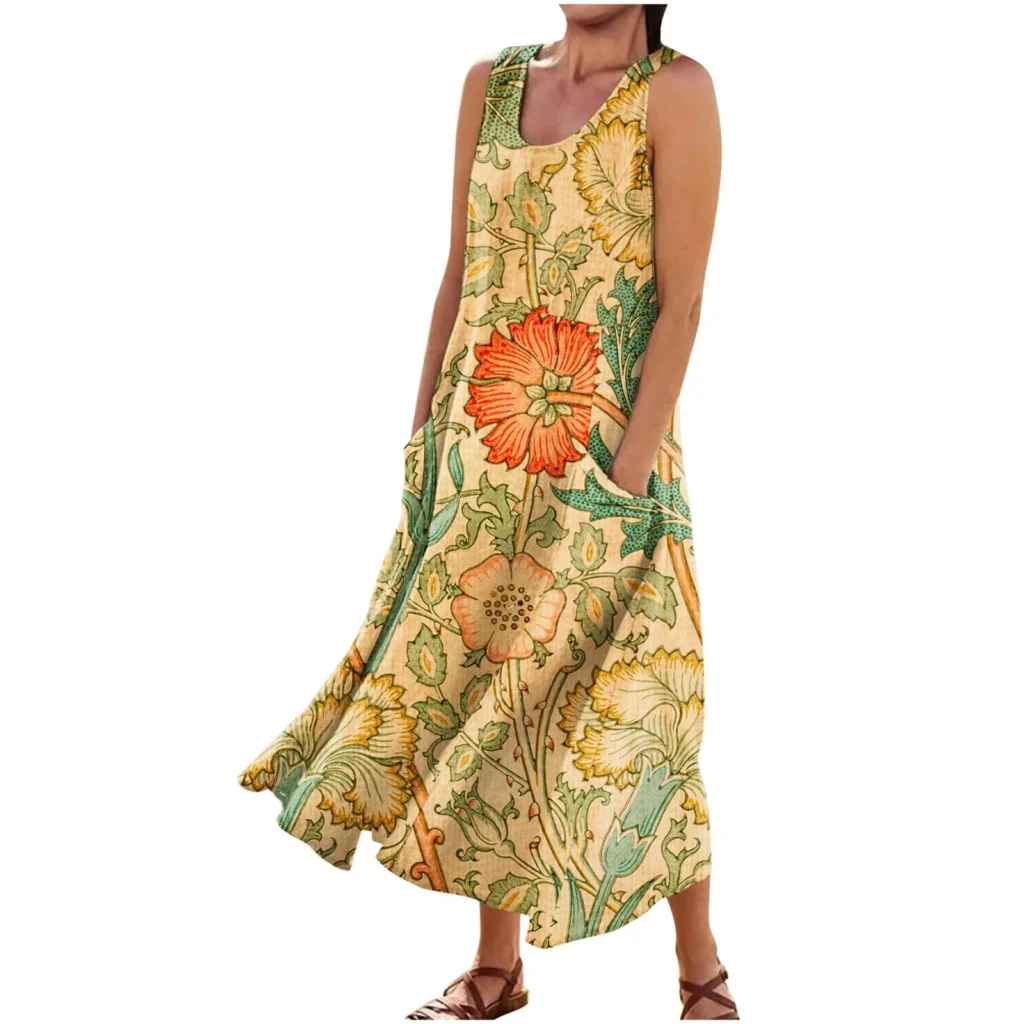
When temperatures rise, dress style becomes just as important as fabric choice. Certain linen dress designs consistently perform better in hot and humid conditions because they maximize airflow, reduce fabric contact with the skin, and support natural body cooling. The following styles have proven to be the most effective for summer wear.
Sleeveless and Strap Linen Dresses
Reducing fabric coverage around the shoulders and arms plays a significant role in temperature regulation. Sleeveless and strap-based linen dresses allow heat to escape more efficiently, making them especially suitable for extreme heat. Well-performing styles include:
- Sleeveless linen dresses
- Spaghetti strap linen dresses
- Halter-neck linen dresses
- Open-back linen designs
These airy designs minimize heat retention while maintaining comfort and ease of movement, making them ideal for hot climates, outdoor activities, and prolonged sun exposure.
Loose and Flowy Summer Linen Dresses
Flowy silhouettes enhance linen’s natural cooling properties by creating space between the fabric and the body. This gap allows air to circulate freely, producing a subtle cooling effect during movement. Effective options include:
- Linen sundresses
- Relaxed linen summer dresses
- Lightweight flowy dresses
These styles are particularly versatile, transitioning seamlessly from everyday casual wear to vacation and resort settings without sacrificing breathability.
Linen Maxi, Midi, and Mini Dresses
Dress length directly influences airflow and comfort in warm weather, and each length serves a distinct purpose.
- Linen maxi dresses perform well in hot climates when designed with loose cuts, breathable panels, or side slits that prevent heat buildup.
- Midi linen dresses strike a balance between comfort and refinement, making them suitable for daily wear, city environments, and warm-weather work settings.
- Mini linen dresses provide maximum ventilation and are especially effective during peak summer heat or in tropical conditions.
Selecting the right length should be guided by climate, activity level, and the need for coverage versus airflow.
Button-Down and Shirt-Style Linen Dresses
Button-down linen dresses and linen shirt dresses combine practicality with summer functionality. Adjustable front openings allow airflow to be controlled throughout the day, adapting easily to changing temperatures.
These styles work particularly well in hot and humid weather, offering flexibility, comfort, and a polished appearance without compromising breathability.
The best linen dress styles for hot weather emphasize exposed areas, loose silhouettes, adaptable lengths, and functional design details. When these elements are present, linen dresses deliver consistent comfort and cooling performance throughout the summer season.
Best Linen Dresses for Different Hot-Weather Occasions
Linen’s versatility is one of its strongest advantages in summer wardrobes. When chosen thoughtfully, linen dresses can adapt to a wide range of hot-weather situations while maintaining comfort and visual balance. Matching the right style to the occasion ensures breathability without compromising practicality or appearance.
Everyday and Casual Wear
For daily use in warm conditions, comfort and ease of movement should be the priority. Linen dresses designed for everyday wear focus on relaxed construction and low-maintenance care, making them suitable for repeated use in high temperatures. Reliable options include:
- Casual summer linen dresses
- Comfortable summer dresses with loose, breathable fits
- Easy-care linen dresses for regular wear
These styles emphasize airflow and lightweight structure while remaining simple and versatile enough for walking, errands, or informal gatherings in hot weather.
Travel, Vacation, and Resort Wear
Linen dresses are particularly well suited to travel, thanks to their breathable nature and forgiving texture. Lightweight linen fabrics pack easily, dry quickly, and perform well in fluctuating temperatures, making them ideal for long journeys and warm destinations. Effective travel styles include:
- Beach linen dresses
- Vacation linen dresses
- Resort linen dresses
- Travel-friendly linen dresses
Natural wrinkling is part of linen’s appeal, contributing to a relaxed, effortless aesthetic that aligns perfectly with holiday and resort environments.
Work and City Wear in Summer
Linen can transition into professional and urban settings when designed with the right balance of structure and breathability. For work or city wear in summer, thoughtful styling becomes essential. Recommended features include:
- Midi-length linen dresses for appropriate coverage
- Neutral or muted colors for versatility
- Structured yet breathable silhouettes that maintain airflow
These elements allow linen dresses to remain cool and comfortable while presenting a polished appearance suitable for offices, meetings, and city life in warm climates.
The best linen dresses for hot weather adapt to everyday routines, travel demands, and professional settings through smart design and fabric choice. Selecting occasion-appropriate styles ensures linen delivers both comfort and functionality across all summer scenarios.
How to Style Linen Dresses in Hot Weather?
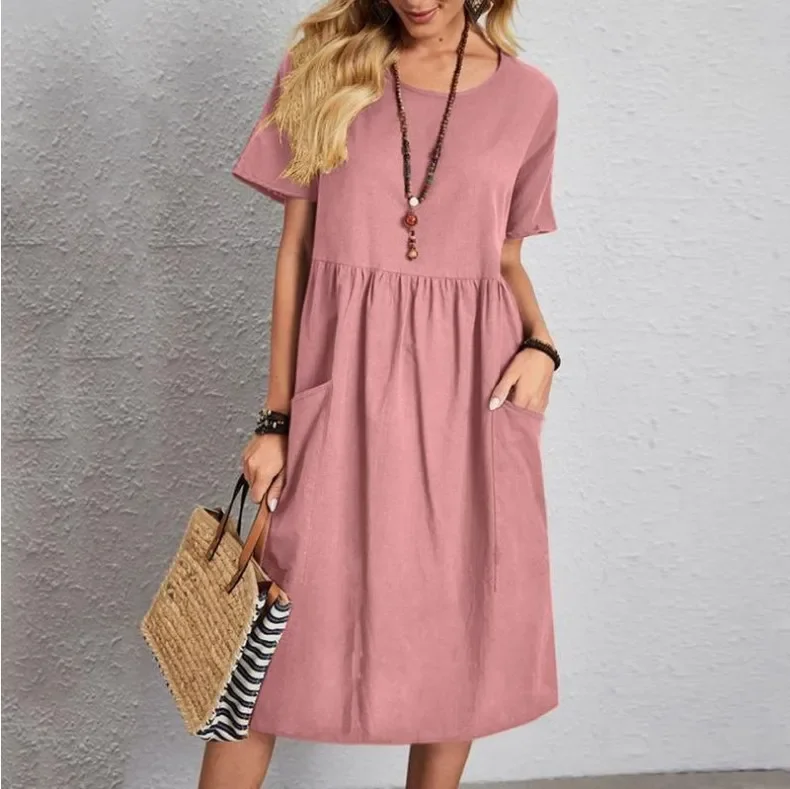
Styling linen for high temperatures is about preserving its natural cooling advantages while maintaining a balanced, functional look. Thoughtful choices in footwear, layering, and overall composition help linen dresses perform at their best in hot and humid conditions.
Footwear and Accessories
Linen pairs best with accessories that support breathability and lightness. Footwear should allow air circulation and remain comfortable during prolonged wear in the heat. Recommended options include:
- Flat sandals with open construction
- Leather slides that mold naturally to the foot
- Espadrilles made with breathable materials
- Minimalist summer footwear with low visual and physical weight
Heavy accessories, thick soles, or synthetic materials tend to trap heat and undermine linen’s cooling properties, so they are best avoided in hot weather.
Layering Without Overheating
Layering in summer should be minimal and intentional. When additional coverage is necessary, fabrics and cuts must allow airflow rather than restrict it. Effective layering pieces include:
- Lightweight linen layers
- Open-front linen shirts
- Breathable summer shawls
Synthetic layers or tightly woven fabrics can negate linen’s natural ventilation, leading to unnecessary heat retention. Keeping layers loose and open maintains comfort throughout the day.
Minimalist Summer Outfit Ideas
Minimalist styling allows linen to function as intended. Clean lines, neutral tones, and simple silhouettes reduce visual clutter and improve wearability in hot weather. By focusing on balance and restraint, linen dresses appear effortless while remaining practical and comfortable in high temperatures.
Successful summer styling with linen relies on breathable footwear, restrained layering, and a minimalist approach that supports airflow and ease of movement.
Linen Dresses vs Other Summer Dress Fabrics
Understanding how linen compares to other common summer fabrics helps clarify why it remains the preferred choice for hot climates. Performance in heat depends on how a fabric handles airflow, moisture, and prolonged wear.
- Linen vs Cotton Dresses for Summer: Cotton is breathable and widely used in summer clothing, but it tends to retain moisture longer than linen. Once damp, cotton can feel heavy and slow to dry, particularly in humid conditions. Linen, by contrast, releases moisture quickly and maintains a lighter feel against the skin. This faster drying time results in better cooling performance during extended exposure to heat and humidity.
- Linen vs Synthetic Fabrics: Synthetic fabrics such as polyester or rayon often trap heat and odors due to limited airflow and poor moisture release. While they may resist wrinkles, they typically underperform in hot weather. Linen’s natural fibers outperform synthetic materials by promoting ventilation, managing moisture efficiently, and maintaining comfort over long periods of wear.
In extreme heat, fabric performance becomes non-negotiable. Linen remains the gold standard because of its open weave, moisture-wicking capability, and lightweight structure. These characteristics work together to support the body’s natural cooling process, even in demanding environments.
Care Tips for Linen Dresses in Hot Weather
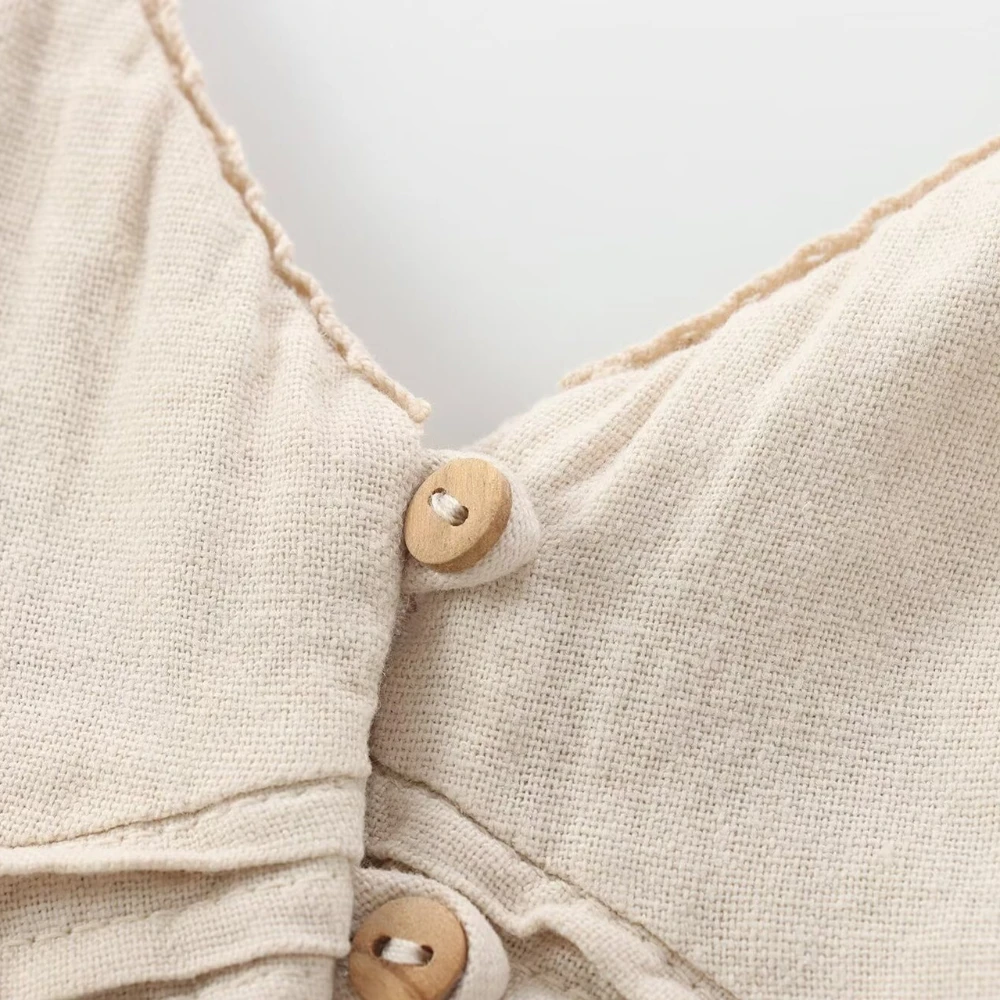
Proper care helps linen dresses retain their performance and appearance throughout the summer season. While linen is durable, gentle handling preserves its breathable qualities. Recommended care practices include:
- Washing linen dresses in cold water
- Using gentle cycles or hand washing
- Air drying to prevent shrinkage and fiber stress
- Embracing natural wrinkles as part of linen’s relaxed aesthetic
When treated correctly, linen is a low-maintenance fabric that improves with wear, making it a practical and dependable choice for summer wardrobes. Thoughtful styling, informed fabric comparison, and proper care allow linen dresses to deliver maximum comfort and longevity in hot weather.
Sustainable Benefits of Choosing Linen Dresses
Beyond comfort and performance, linen stands out for its environmental advantages. As sustainability becomes an increasingly important factor in fashion choices, linen continues to be recognized as one of the most responsible fabrics available for warm-weather clothing.
Linen is made from flax, a crop that requires significantly less water and fewer chemical inputs than many conventional fibers. Nearly every part of the flax plant can be used, resulting in minimal waste during production. In addition, linen is both biodegradable and highly durable, allowing garments to break down naturally at the end of their lifecycle while lasting for years with proper care.
These characteristics align closely with slow fashion principles. Linen dresses are designed to be worn repeatedly across seasons, reducing the need for frequent replacement. Choosing linen supports sustainability without sacrificing breathability, comfort, or timeless style.
FAQs About the Best Linen Dresses for Hot Weather
This section addresses common questions related to linen dresses, focusing on performance, comfort, and practical considerations in hot climates.
Are linen dresses good for extreme heat?
Yes. Linen’s open weave, breathability, and moisture-wicking properties make it particularly effective in extreme heat and high-humidity environments.
Do linen dresses keep you cool?
Yes. Linen promotes airflow and absorbs moisture efficiently, helping regulate body temperature and maintain comfort throughout the day.
Does linen wrinkle easily?
Yes. Linen wrinkles naturally due to its fiber structure, but these wrinkles are widely accepted as part of linen’s relaxed, breathable aesthetic.
Is 100% linen better than linen blends?
For hot weather, 100% linen generally offers superior breathability and cooling. Linen blends may wrinkle less but often compromise airflow.
What colors are best for hot climates?
Light and neutral colors reflect sunlight more effectively, helping reduce heat absorption and maintain a cooler feel in warm conditions.
Conclusion
At Évoria, we believe true summer style begins with comfort — the kind that lets you move freely, breathe easily, and feel confident even under the hottest sun. The Best Linen Dresses for Hot Weather are not defined by trends alone, but by thoughtful fabric choices, relaxed silhouettes, and designs that respect the body’s natural need to stay cool.
Linen dresses embody everything summer dressing should be: breathable, lightweight, versatile, and timeless. Whether you’re navigating city heat, traveling through tropical destinations, or simply enjoying everyday summer life, linen remains the most reliable and elegant solution. Choose wisely, dress lightly, and let linen carry you through the season — effortlessly, comfortably, and beautifully.