Summer is a season of light breezes, sunny skies, and effortless style. For those who value both comfort and elegance, the choice of fabric can make all the difference. I’m Évoria, and today, I’m here to guide you through one of the most frequently debated topics in summer fashion: “Linen Dresses vs Cotton-Linen”. Both fabrics offer unique advantages, but choosing the right one for your lifestyle, climate, and style preference requires careful consideration.
In this comprehensive guide, we’ll explore the characteristics, benefits, and potential drawbacks of 100% linen dresses and cotton-linen blends, provide practical styling advice, and offer essential care tips. By the end, you’ll know which fabric suits your summer wardrobe best.
What Are 100% Linen Dresses?
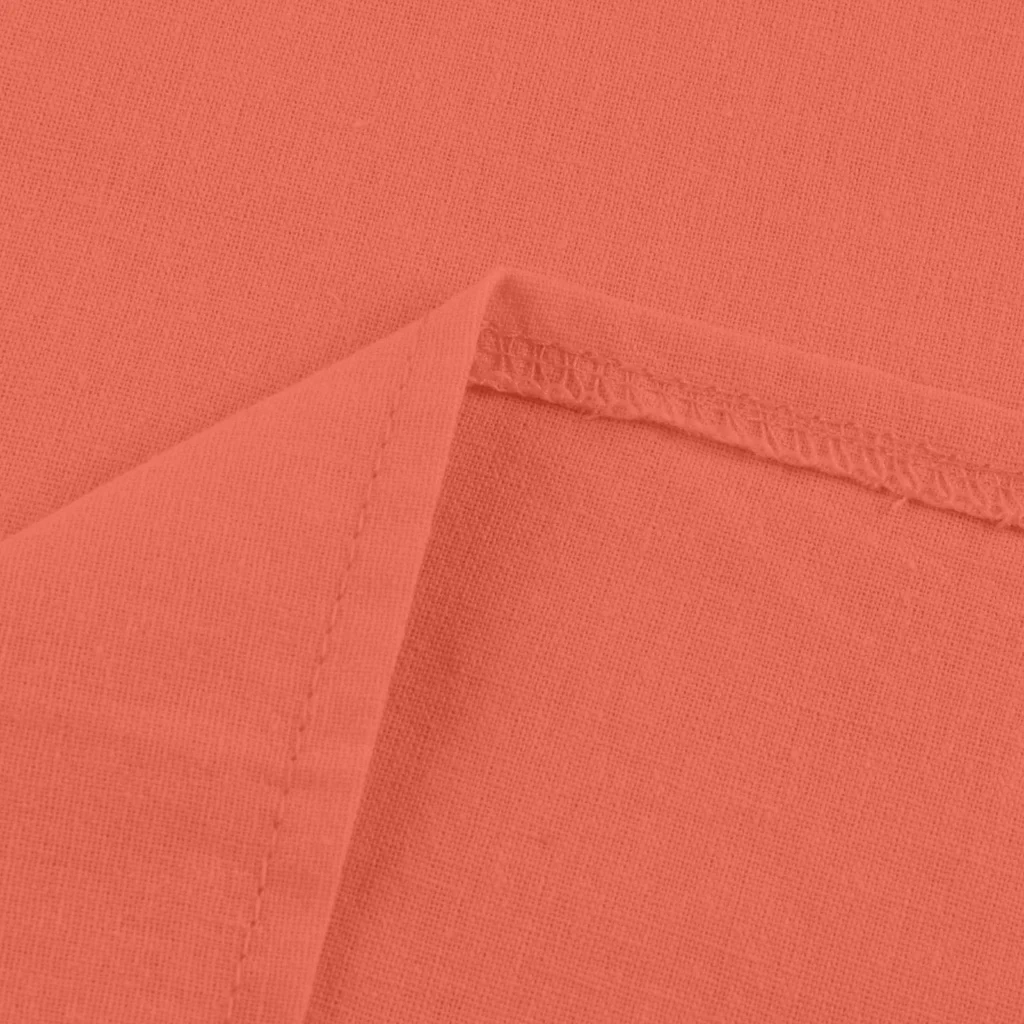
100% linen dresses are crafted entirely from flax fibers, a natural textile prized for its remarkable breathability, lightweight texture, and timeless appeal. As one of the oldest fabrics in human history, linen has been valued for centuries not only for its cooling properties but also for its eco-conscious production methods, making it a favorite choice for sustainable fashion.
These dresses are not just garments; they represent a blend of comfort, functionality, and enduring style that adapts effortlessly to both casual and semi-formal settings. Understanding the nuances of pure linen is essential for anyone seeking a summer wardrobe that balances elegance with practicality.
Characteristics of Pure Linen
Exceptional Breathability: Linen’s unique hollow fibers promote airflow, allowing the skin to stay cool even in hot and humid conditions. This natural ventilation helps regulate body temperature, making it ideal for summer climates.
Lightweight and Airy: The soft, breathable weave creates dresses that drape effortlessly and feel almost weightless on the skin. Linen’s natural texture enhances comfort during long summer days without sacrificing style.
Wrinkle-Prone Texture: One of linen’s most distinctive traits is its propensity to wrinkle. These natural creases contribute to its relaxed, effortlessly chic aesthetic, reflecting authenticity and casual sophistication.
Moisture-Wicking Properties: Linen absorbs moisture rapidly and dries faster than cotton, keeping the wearer dry and comfortable while reducing the buildup of sweat and heat.
Popular Linen Dress Styles
Shirt-Style Linen Dresses: Ideal for office environments or casual city strolls, offering a structured yet comfortable fit.
Midi Linen Dresses: Perfect for sophisticated summer occasions, balancing elegance with breathability.
Flowing, Relaxed-Fit Dresses: Casual options designed for beach outings or leisurely weekends, emphasizing freedom of movement and comfort.
Linen is derived from flax plants, which require significantly less water than cotton and involve minimal chemical processing. Choosing 100% linen supports sustainable fashion, offering a long-lasting wardrobe staple that combines style with environmental responsibility. Its durability ensures that investment pieces can be worn season after season, maintaining both aesthetic appeal and functional performance.
What Are Cotton-Linen Blend Dresses?
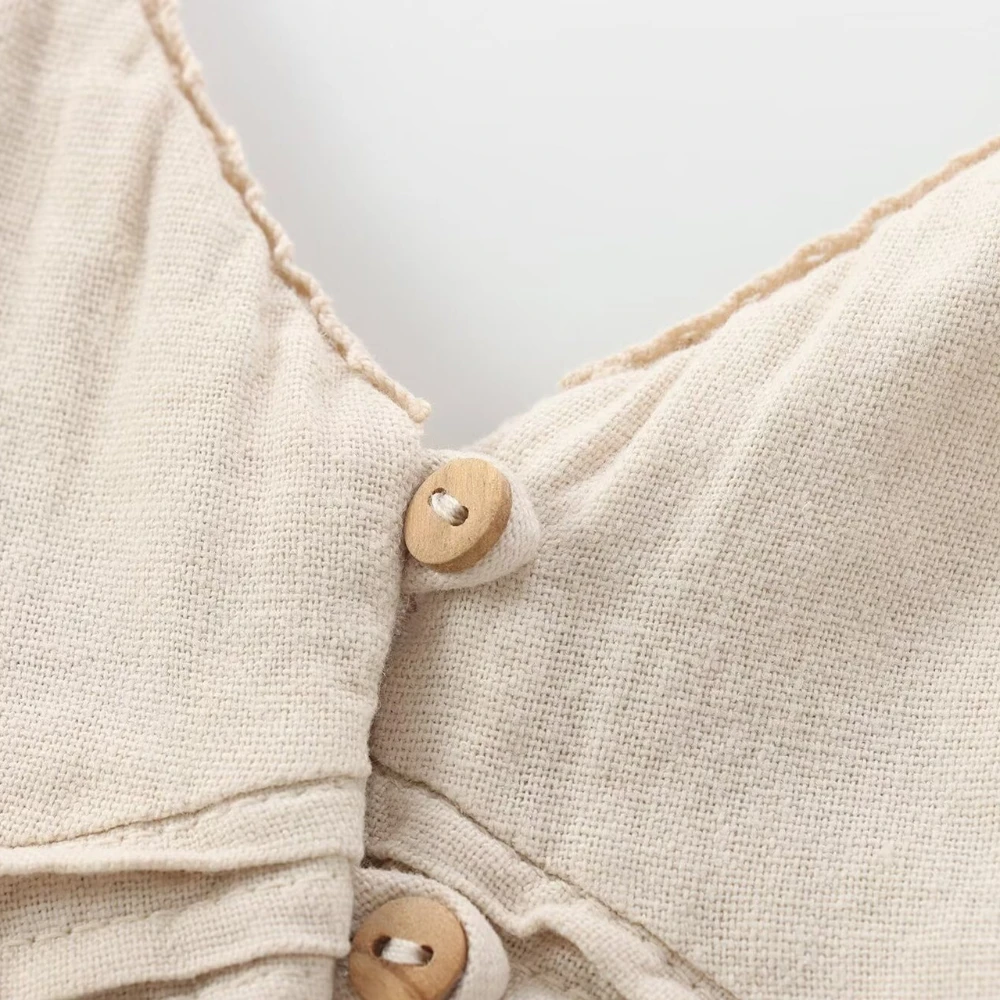
Cotton-linen blend dresses are thoughtfully crafted from a combination of natural fibers, typically with ratios ranging from 50/50 to 60/40 cotton-linen, designed to merge the best qualities of both materials. These dresses provide a harmonious balance between the airy, cooling properties of linen and the soft, smooth texture of cotton, creating a versatile option suitable for a wide range of summer occasions.
This blend addresses some of the limitations of pure linen while retaining much of its comfort and breathability, making it particularly appealing for those seeking low-maintenance, stylish summer wear.
Characteristics of Cotton-Linen Blends
- Softer, Gentler Texture: The integration of cotton gives the fabric a smoother hand-feel, reducing the sometimes coarse sensation of pure linen. This softness enhances comfort for all-day wear, especially in sensitive areas like shoulders and underarms.
- Reduced Wrinkling: Cotton mitigates the natural creasing of linen, resulting in a fabric that maintains a polished appearance longer throughout the day. This makes cotton-linen blends especially practical for office wear, travel, or busy summer schedules.
- Moderate Breathability: Although slightly less airy than pure linen, the cotton-linen combination still provides effective airflow and moisture management, keeping the wearer cool in warm weather while offering a subtle drape that enhances overall style.
Common Uses and Styles
- Casual Summer Dresses: Versatile dresses for everyday wear, blending comfort with effortless elegance.
- Office-Friendly Dresses: Blends hold shape well and resist excessive wrinkles, suitable for professional environments.
- Travel-Ready Dresses: Ideal for packing, as the reduced wrinkling requires less ironing while maintaining a refined look.
- Everyday Wardrobe Staples: Comfortable, durable, and stylish, making them perfect for versatile summer outfits.
Durability and Care: Cotton-linen blends generally offer enhanced durability and flexibility compared to pure linen. They are less prone to shrinkage and heavy wrinkling, and are more forgiving with machine washing. These qualities make them low-maintenance options for individuals seeking functional yet stylish garments that perform well in a variety of summer settings.
Linen vs Cotton-Linen: Side-by-Side Comparison
Selecting between 100% linen and cotton-linen blends requires evaluating priorities such as comfort, maintenance, durability, style, and environmental impact. Understanding the nuanced differences helps make an informed decision for a summer wardrobe that balances functionality with fashion.
Comfort & Breathability
Pure linen stands out for its exceptional breathability. The hollow fibers create continuous airflow, which allows heat and moisture to escape efficiently, keeping the skin cool and dry even in extreme heat or high humidity. This makes 100% linen dresses ideal for tropical or summer climates where maximum cooling is essential.
Cotton-linen blends, while still breathable, feel slightly denser due to the cotton component. The fabric provides a gentler hand-feel and soft drape but sacrifices a small degree of airflow. For those prioritizing comfort in intense heat, pure linen remains the superior choice, though cotton-linen blends offer adequate cooling for most daily activities.
Wrinkle & Maintenance
Wrinkles are a defining feature of linen, contributing to its relaxed, effortlessly chic aesthetic. However, these natural creases demand more attentive care, including gentle washing, air drying, and occasional ironing or steaming.
Cotton-linen blends significantly reduce wrinkling, providing a more polished look with minimal effort. This makes them highly practical for office wear, travel, or busy summer routines where frequent ironing is inconvenient. Both fabrics benefit from careful washing practices, but blends offer a clear advantage in day-to-day manageability.
Durability & Longevity
100% linen is renowned for its strength and longevity, with fibers that can withstand years of wear when cared for properly. However, excessive stretching or harsh laundering can compromise the fabric, so gentle handling is recommended.
Cotton-linen blends are durable and often more forgiving in routine use. The cotton component adds resilience against minor wear and tear, making these blends ideal for garments that see frequent rotation in a summer wardrobe. Both fabrics provide long-lasting options, but the choice depends on whether natural texture (linen) or low-maintenance durability (blend) is prioritized.
Style & Fashion Versatility
Linen Dresses: Pure linen offers a natural drape and flow, perfect for relaxed, minimalist, or beach-inspired styles. Shirt dresses, midi-length silhouettes, and casual flowing designs benefit from linen’s structure and airiness, creating a sophisticated yet effortless look.
Cotton-Linen Dresses: These blends drape more softly and hold shape better over time, making them versatile for office wear, travel, and everyday outfits where ease of styling and comfort are equally important.
Sustainability & Eco-Friendliness
Linen is inherently sustainable, as flax cultivation requires minimal water and chemicals, and the fabric is biodegradable. This makes 100% linen dresses a highly eco-conscious choice.
Cotton-linen blends combine two natural fibers, but cotton cultivation often demands higher water usage and additional resources, slightly reducing overall eco-friendliness. Nevertheless, blends remain a responsible option when considering fabric longevity and reduced need for frequent washing or ironing.
Pure linen excels in breathability, cooling, and natural aesthetic, while cotton-linen blends offer easier maintenance, softer texture, and versatile style. The final choice depends on personal priorities: maximum comfort in heat versus practical, low-maintenance wear.
How to Choose Between Linen and Cotton-Linen Dresses?
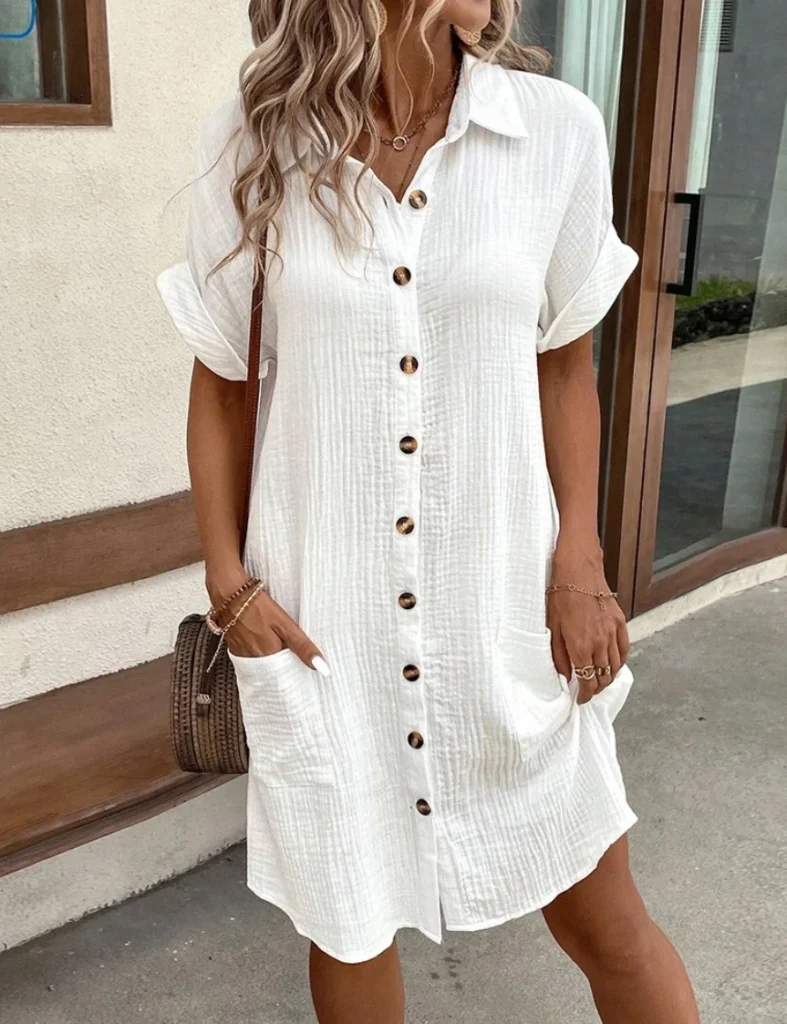
Selecting the right fabric for summer dresses requires a careful assessment of climate, lifestyle, personal preference, and budget. Both 100% linen and cotton-linen blends have distinct strengths, and understanding these nuances ensures a wardrobe that balances comfort, style, and practicality.
Climate Considerations
- Hot & Humid Weather: 100% linen remains unmatched for extreme heat. Its hollow fibers provide continuous airflow and rapid moisture-wicking, keeping the body cool and dry during scorching summer days. Linen dresses are ideal for tropical regions, beach vacations, or any setting where breathability is the top priority.
- Moderate Climates: Cotton-linen blends offer a compromise between comfort and ease of care. While still breathable, the cotton component adds softness and a slightly heavier drape, making these blends suitable for temperate summer conditions where extreme ventilation is not as critical.
Lifestyle & Activity
- Casual, Beach, or Vacation Wear: Linen dresses are perfect for relaxed elegance, offering effortless style, flowing silhouettes, and a natural, carefree look. Their lightweight nature allows freedom of movement and comfort for outdoor activities.
- Office, Travel, and Everyday Use: Cotton-linen blends excel in practical settings where appearance and convenience matter. Reduced wrinkling, softer texture, and versatile draping make these blends suitable for professional environments, travel-ready packing, or daily rotation in a busy wardrobe.
Fabric Preferences: Personal preference plays a significant role in choosing between the two fabrics. Linen’s natural wrinkles and coarse yet breathable texture convey authenticity and timeless charm. Cotton-linen blends, in contrast, provide a smoother hand-feel and lower-maintenance option, catering to those who prefer polished appearance with minimal effort.
Budget & Cost: Linen tends to carry a higher price point due to the cost of flax cultivation, sustainable production practices, and its long-lasting nature. Cotton-linen blends are generally more affordable and widely available, providing a practical alternative without compromising significantly on comfort or aesthetic appeal.
Choosing between linen and cotton-linen dresses depends on environmental conditions, lifestyle demands, personal fabric preference, and budget considerations. Linen offers ultimate breathability and relaxed style for heat-intensive settings, while cotton-linen blends provide versatile, low-maintenance elegance for everyday and professional use.
Styling Tips for Linen and Cotton-Linen Dresses
Choosing the right fabric is only part of creating a versatile summer wardrobe; knowing how to style linen and cotton-linen dresses effectively ensures comfort, elegance, and practicality in every setting. Each fabric offers unique opportunities to enhance your look, whether for casual outings, professional environments, or travel.
Linen Dress Styling
Casual Office Looks: Shirt-style linen dresses can be paired with leather or strappy sandals for a polished yet relaxed office-appropriate outfit. Adding minimal accessories, such as a slim belt or delicate jewelry, elevates the ensemble without compromising comfort.
Vacation or Beach Outings: Midi-length linen dresses combined with a wide-brim hat and woven sandals create a breezy, effortless vacation look. The natural drape and lightweight texture of linen enhance the relaxed summer aesthetic.
Layering for Cooler Evenings: Light linen cardigans or cropped jackets can be layered over flowing dresses for early mornings or cooler coastal evenings. Linen’s breathable nature ensures layering does not compromise comfort.
Cotton-Linen Dress Styling
Travel-Ready Comfort: Cotton-linen dresses are ideal for long trips due to their reduced wrinkling. Pairing them with sneakers or loafers ensures mobility and comfort without sacrificing style.
Professional Environments: Office-appropriate cotton-linen blends can be structured with subtle belts or tailored accessories to maintain a refined silhouette. Neutral or pastel tones enhance versatility for multiple occasions.
Minimalist Everyday Looks: Relaxed-fit cotton-linen dresses in solid colors or soft prints provide a foundation for a minimalist wardrobe. Simple sandals, understated jewelry, or crossbody bags complete effortless, stylish daily outfits.
Linen dresses excel in airy, relaxed, and vacation-inspired styling, while cotton-linen blends offer versatility, low-maintenance elegance, and professional appeal. Choosing styling approaches tailored to each fabric ensures comfort and sophistication across all summer scenarios.
Care Tips for Linen and Cotton-Linen Dresses
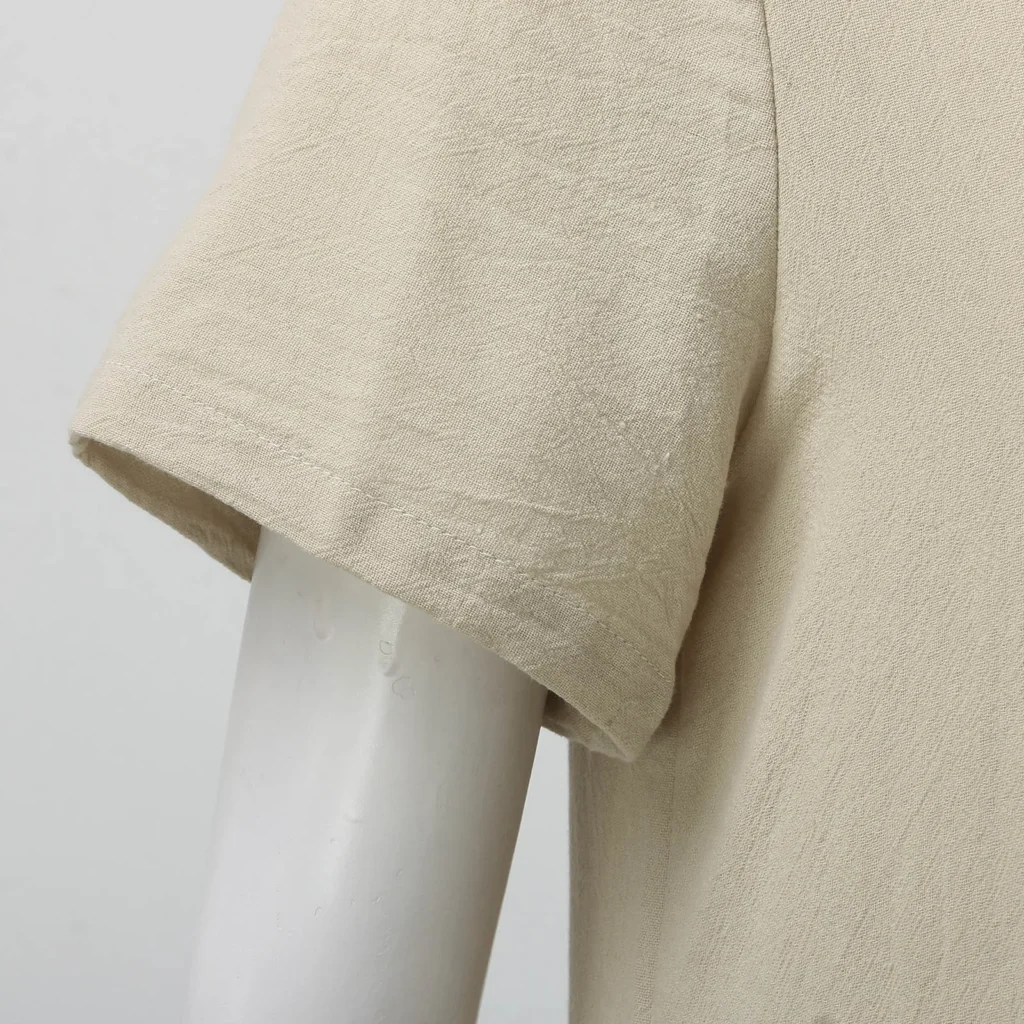
Proper care is essential to maintain the longevity, appearance, and comfort of linen and cotton-linen dresses. Both fabrics are natural and durable, but their unique characteristics require attention to washing, drying, ironing, and storage to keep garments looking fresh season after season.
Washing & Drying
- Cold Water Gentle Cycle: Both linen and cotton-linen fabrics benefit from cold water washes on a gentle cycle. This minimizes fiber stress, reduces shrinkage, and helps preserve the natural texture and color of the fabric.
- Air Drying Preferred: Hanging dresses to air dry is ideal for maintaining shape and avoiding unnecessary wear from high-heat drying. Avoid using tumble dryers when possible, especially for pure linen, as excessive heat can weaken fibers and cause unwanted shrinkage.
- Spot Cleaning: For minor stains, spot cleaning with mild detergent prevents repeated full washes, which can extend the garment’s lifespan.
Ironing & Wrinkle Management
- Linen: Ironing while slightly damp is most effective, or alternatively, a garment steamer can be used to smooth creases without flattening the natural texture. Wrinkles are part of linen’s aesthetic charm, so light creases can be left for a relaxed, authentic look.
- Cotton-Linen Blends: These require less frequent ironing due to the cotton component reducing wrinkles. Machine pressing at low to medium heat is sufficient to maintain a neat, polished appearance without compromising fabric integrity.
Storage Tips
- Folding vs Hanging: Fold dresses to prevent stretching, particularly around shoulders or delicate seams. Hanging is suitable for well-constructed cotton-linen dresses, provided hangers are wide and padded to maintain shape.
- Avoid Direct Sunlight: Prolonged exposure to sunlight can fade both linen and cotton-linen fabrics. Store garments in a cool, dry, shaded area to retain color and fiber strength.
- Breathable Storage: Use breathable garment bags or cotton covers for long-term storage to prevent mildew and maintain fabric freshness.
Maintaining linen and cotton-linen dresses involves gentle washing, air drying, careful ironing, and mindful storage. Adhering to these care practices ensures garments remain comfortable, stylish, and durable over multiple seasons.
Pros and Cons Summary Table
Choosing between 100% linen and cotton-linen blends often depends on balancing breathability, comfort, maintenance, and durability. The following table highlights the key strengths and limitations of each fabric, providing a clear overview for informed decision-making:
| Feature | 100% Linen | Cotton-Linen Blend |
|---|---|---|
| Breathability | Excellent – Linen’s hollow fibers ensure maximum airflow, making it ideal for hot and humid climates. | Good – Cotton-linen provides decent ventilation, though slightly denser due to cotton content. |
| Wrinkle Resistance | Low – Natural creasing is part of linen’s relaxed, effortless aesthetic but requires regular ironing or steaming. | Medium – Cotton reduces wrinkles significantly, making the fabric easier to maintain and travel-friendly. |
| Durability | High – Strong flax fibers allow long-lasting wear, though careful handling is recommended to avoid fiber stress. | Medium-High – Blends resist everyday wear and tear well, offering durability with added softness. |
| Comfort | Lightweight and airy – Ideal for all-day summer wear and outdoor activities. | Soft and gentle on skin – Slightly less airy than pure linen but more forgiving in texture. |
| Care | High-maintenance – Requires gentle washing, air drying, and careful ironing to preserve shape and texture. | Easier – Less prone to shrinkage or heavy wrinkling, making it low-maintenance and practical. |
Pure linen excels in breathability, lightweight comfort, and natural style, while cotton-linen blends offer softer texture, reduced wrinkles, and easier maintenance. This comparison provides a practical reference for selecting the right fabric based on climate, lifestyle, and personal preferences.
FAQs About Linen and Cotton-Linen Dresses
Understanding the practical aspects of linen and cotton-linen dresses helps in making informed decisions about purchase, styling, and care. The following frequently asked questions address common concerns, offering guidance for both first-time buyers and experienced wardrobe planners.
Do linen dresses wrinkle easily?
Yes, 100% linen is naturally prone to wrinkles due to its loose, hollow fibers. However, these creases are part of linen’s characteristic charm, giving the fabric a relaxed, effortless look. Cotton-linen blends, by contrast, reduce wrinkling significantly while retaining most of linen’s comfort, making them ideal for daily wear, travel, or office use.
Are cotton-linen dresses breathable enough for summer?
Absolutely. Cotton-linen blends maintain moderate breathability, allowing good airflow and moisture-wicking. While pure linen remains slightly cooler in extreme heat, blends provide a comfortable balance of ventilation and softness, suitable for everyday summer wear in most climates.
Which is better for office wear: linen or cotton-linen?
Cotton-linen blends are generally more practical for professional settings. Their reduced wrinkling, smooth texture, and ability to maintain a structured appearance make them easier to style with belts, blazers, or minimal accessories, providing a polished yet comfortable look for the office.
How long does a high-quality linen dress last?
With careful maintenance, including gentle washing, air drying, and proper storage, high-quality linen dresses can last for many years, often outlasting cotton-linen blends. Linen’s durability and strength make it a long-term investment for a sustainable and stylish summer wardrobe.
Can linen and cotton-linen dresses be mixed in a summer wardrobe?
Yes. Combining both fabrics allows maximum flexibility. Linen dresses are perfect for hot, humid days where breathability and cooling are priorities, while cotton-linen blends offer low-maintenance elegance for travel, office, or casual day-to-day wear. Together, they provide a versatile, stylish, and practical summer wardrobe.
Conclusion
As Évoria, my advice is simple: both fabrics have a place in your wardrobe. 100% linen dresses excel in breathability, cooling effect, and sustainability, making them perfect for summer heat and relaxed elegance. Cotton-linen blends, on the other hand, offer softness, durability, and easy maintenance, ideal for office wear, travel, and everyday comfort.
Choosing between Linen Dresses vs Cotton-Linen depends on your lifestyle, climate, and style preferences. By understanding their characteristics, care requirements, and fashion versatility, you can build a summer wardrobe that’s both stylish and functional. Embrace the airy elegance of linen for peak summer days and rely on cotton-linen blends for effortless versatility throughout the season.