Évoria had always believed that a linen dress is more than just clothing—it is a feeling of effortless elegance, softness, and natural beauty. But she also learned the hard way that without proper care, even the most beautiful linen piece can lose its charm.If you’ve ever wondered how to wash a linen dress without damaging the fabric, you’re not alone. Linen is one of the most breathable, lightweight, and timeless fabrics in fashion—but it is also delicate, prone to shrinking, wrinkling, and weakening if not handled correctly.
This complete guide will walk you through everything you need to know about washing linen dresses properly, from hand washing and machine washing to drying, stain removal, and long-term care. You’ll also learn how to preserve softness, prevent damage, and extend the life of your favorite linen pieces. Whether you’re looking for linen dress care instructions, the best way to wash linen dress, or how to avoid shrinking and fabric damage, this guide has you covered. Let’s begin mastering the art of washing linen without damage.
Understanding Linen Fabric Before Washing

Before learning how to wash a linen dress, it’s important to first understand the nature of the fabric itself. Linen is not just another textile—it is a natural material with unique properties that directly influence how it should be cleaned, dried, and maintained. Without this foundation, even the best washing techniques can lead to shrinkage, stiffness, or long-term fabric damage.
What Makes Linen Special?
Linen is made from natural flax fibers, which gives it a unique texture and breathable quality. It is:
- Highly breathable and moisture-absorbent
- Lightweight and comfortable for warm weather
- Naturally textured with a relaxed aesthetic
- Durable when cared for properly
However, linen also behaves differently from synthetic fabrics. It reacts strongly to heat, agitation, and harsh chemicals.
Why Linen Requires Gentle Care?
Understanding how to care for linen fabric is essential because:
- Linen fibers can shrink when exposed to hot water
- Aggressive washing can weaken the structure
- Improper drying can cause stiffness
- Harsh detergents strip natural softness
That’s why washing linen clothes properly is not optional—it’s necessary for longevity.
Common Problems with Improper Washing
If linen is not washed correctly, you may experience:
- Shrinking linen dress after wash
- Excessive wrinkling
- Rough or stiff texture
- Fading colors
- Fabric distortion
This is why learning the safe way to wash linen dress is so important.
Pre-Washing Preparation for Linen Dresses
Proper preparation is the most overlooked step in how to wash a linen dress, yet it often determines whether the fabric stays soft, structured, and long-lasting or becomes worn out after just a few washes. Taking a few extra minutes before washing helps prevent avoidable damage and ensures the linen fibers remain stable throughout the cleaning process.
Check the Care Label First
Before anything else, the care label should always be considered the most reliable guide. Linen dresses may vary significantly depending on weave, treatment, and fabric blends.
- Hand wash only for delicate or untreated linen
- Machine washable on a gentle or delicate cycle for pre-washed linen
- Dry clean recommended for structured or high-end designs
Ignoring this step often leads to irreversible issues such as shrinkage or texture distortion. The care label essentially defines the safest approach to washing linen clothes properly.
Sort Your Laundry Properly
Sorting is not just about color separation—it is also about fabric compatibility. Linen is a natural fiber that reacts to friction, and improper mixing can weaken its surface over time.
- Separating light and dark tones to prevent color transfer
- Avoiding heavy fabrics such as denim, towels, or thick cotton
- Washing linen with similarly lightweight, breathable materials
This reduces mechanical stress during the wash cycle and helps maintain the integrity of the fibers, especially when aiming for gentle linen fabric care.
Pre-Treat Stains Gently
Stains should always be treated before washing rather than being exposed to repeated agitation in the machine or basin. However, linen requires a very controlled approach.
- Apply a mild, fabric-safe stain remover directly to the affected area
- Allow it to sit for 5–10 minutes without drying completely
- Gently dab rather than rub to avoid fiber damage
- Avoid bleach or strong chemical agents entirely
This approach ensures effective stain removal for linen clothing while preserving the fabric’s natural softness and structure.
How to Wash a Linen Dress by Hand? (Safest Method)
Hand washing remains the most reliable method for maintaining the quality of linen garments, especially when dealing with premium or delicate pieces. It offers full control over water temperature, pressure, and detergent exposure, making it the preferred choice in professional linen dress care instructions.
When to Choose Hand Washing?
Hand washing is most appropriate when:
- The linen dress is made from high-quality or luxury-grade fabric
- The material feels soft-washed or lightweight
- Maximum preservation of texture and shape is required
This method significantly reduces the risk of fabric damage when washing linen, particularly for garments with natural or untreated fibers.
Step-by-Step Hand Washing Process
A careful and structured process ensures safe cleaning without compromising fabric quality:
- Fill a basin with cold or lukewarm water to prevent fiber shrinkage
- Add a small amount of mild, pH-neutral detergent
- Submerge the dress gently without forcing or compressing the fabric
- Move the garment lightly through the water without scrubbing
- Allow it to soak for 5–15 minutes to loosen dirt naturally
- Rinse thoroughly with clean water until no soap remains
This method preserves the natural softness of linen and supports long-term durability when following how to care for linen fabric correctly.
What to Avoid?
Certain mistakes can quickly degrade linen fibers, even during hand washing:
- Wringing or twisting the fabric, which weakens fiber structure
- Using hot water, which increases the risk of shrinkage
- Over-soaking, which can affect color stability
- Scrubbing stains aggressively, leading to surface damage
Avoiding these practices is essential for maintaining the natural integrity of linen.
How to Machine Wash a Linen Dress Safely?
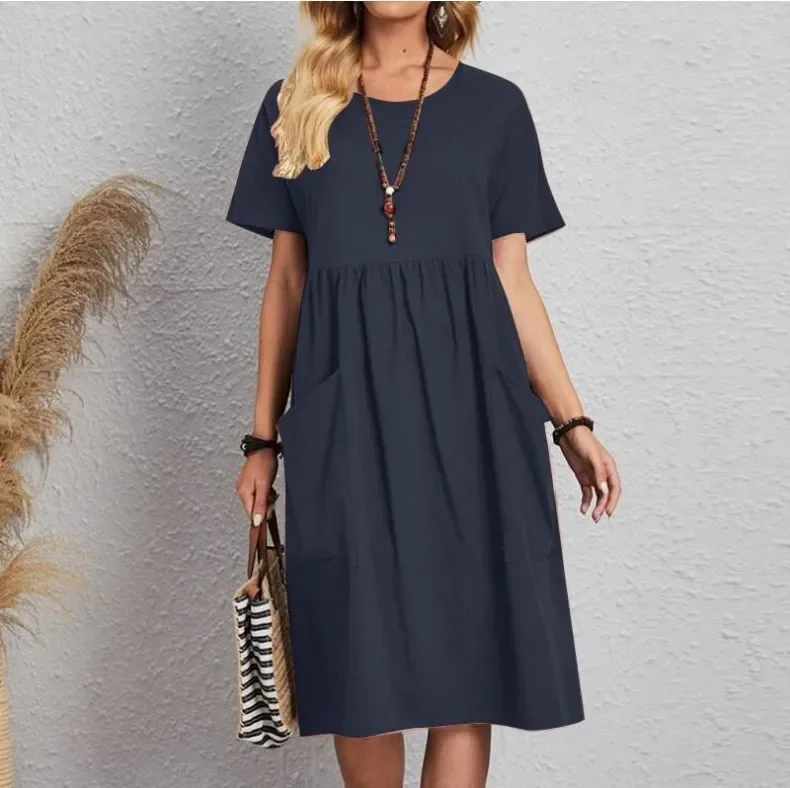
Machine washing is acceptable for many modern linen garments, but only when done with precision. The goal is to reduce mechanical stress while maintaining cleaning efficiency.
When Machine Washing Is Safe?
Machine washing is suitable for:
- Pre-washed or pre-shrunk linen garments
- Everyday casual linen dresses
- Linen blends that include cotton or synthetic fibers
However, even in these cases, controlled settings are necessary to prevent shrinking linen dress after wash.
Best Settings for Linen Washing
For safe machine washing:
- Select gentle or delicate cycle to minimize agitation
- Always use cold water to protect fiber structure
- Set low spin speed to reduce stretching and distortion
These settings are essential for maintaining washing linen without damage over time.
Protecting Linen in the Machine
Additional precautions significantly improve results:
- Turn the dress inside out to reduce surface friction
- Place it in a mesh laundry bag for extra protection
- Use only mild detergent to avoid chemical stress
- Wash separately from heavy or abrasive fabrics
These steps help preserve both texture and shape during machine cycles.
Common Machine Washing Mistakes
Even experienced users often make avoidable errors, such as:
- Using hot water, which accelerates fiber shrinkage
- Applying strong spin cycles that distort garment shape
- Mixing linen with heavy or rough textiles
- Overloading the washing machine, reducing rinse efficiency
Avoiding these mistakes is critical for long-term linen clothing maintenance and care.
Choosing the Right Detergent for Linen
Selecting the right detergent is a crucial but often underestimated step in how to wash a linen dress properly. Even if the washing technique is correct, using the wrong cleaning product can gradually weaken fibers, dull colors, and reduce the natural softness that makes linen so desirable. A thoughtful detergent choice directly supports long-term fabric integrity and overall garment performance.
Best Detergent Types
For optimal linen fabric care tips, the safest options are always those that clean effectively without being overly aggressive on natural fibers:
- Mild, liquid detergents designed for delicate fabrics
- pH-neutral formulas that respect the structure of flax fibers
- Fragrance-free options to avoid unnecessary chemical additives
- Eco-friendly detergents made from biodegradable ingredients
These formulations help maintain the balance between cleanliness and fabric preservation, especially important for washing linen clothes without damage.
What to Avoid?
Certain cleaning agents can compromise linen’s structure over time and should be avoided entirely:
- Bleach, which aggressively breaks down natural fibers
- Fabric softeners, which coat fibers and reduce breathability
- Strong chemical detergents with high alkalinity or enzymes
While these products may seem effective for stain removal or whitening, they often accelerate fabric degradation and reduce the lifespan of linen garments.
Why Mild Detergent Matters?
Using a gentle detergent is not just a preference—it is a long-term preservation strategy. Proper detergent selection helps:
- Preserve the natural softness of linen fibers
- Prevent gradual fiber breakdown from harsh chemicals
- Maintain color integrity and prevent fading
- Extend the overall lifespan of the garment
In professional linen dress care instructions, detergent quality is considered just as important as washing technique.
How to Dry a Linen Dress Without Damage?
Drying is a critical phase in how to care for linen clothes, yet it is often rushed or overlooked. Even after careful washing, improper drying can lead to shrinkage, stiffness, or unwanted texture changes. Linen responds best to slow, natural drying methods that respect its organic fiber structure.
Air Drying (Best Method)
Air drying remains the most reliable and fabric-safe approach:
- Hang the dress on a padded hanger to maintain shape
- Alternatively, lay it flat on a clean, dry towel
- Place in a shaded, well-ventilated area for even drying
- Avoid direct sunlight to prevent fading and fiber weakening
This method supports natural moisture evaporation while preserving softness and structure, making it essential for safe linen dress maintenance.
What to Avoid?
Certain drying practices can significantly damage linen over time:
- Tumble dryers, which increase the risk of shrinkage and fiber stress
- High-heat drying methods that weaken natural flax structure
- Over-drying, which can leave the fabric stiff and rough
Avoiding these mistakes is key to maintaining a soft and breathable texture.
Preventing Shrinkage During Drying
Shrinkage prevention relies on gentle handling at every stage:
- Never expose linen to high or direct heat sources
- Remove excess water by pressing lightly instead of twisting
- Allow garments to dry naturally at room temperature
This controlled approach helps preserve original sizing and structure, especially for delicate linen garments care.
How to Reduce Wrinkles After Washing?
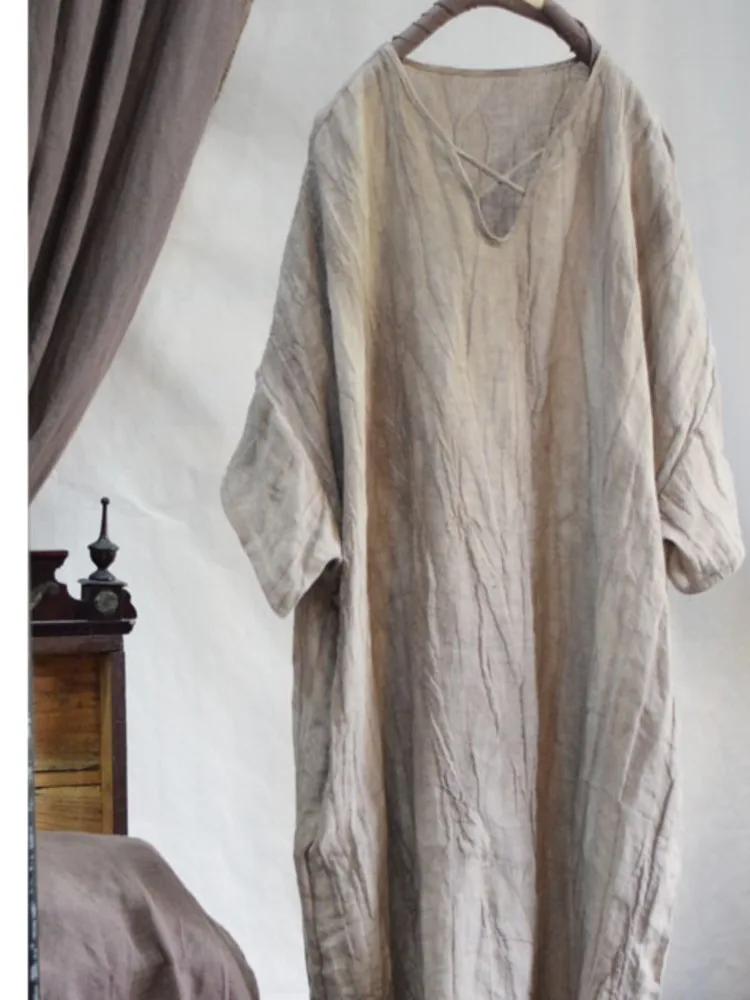
Wrinkles are an inherent characteristic of linen and are often part of its natural charm. However, with proper care, excessive creasing can be minimized without compromising the fabric’s relaxed aesthetic.
Embracing Natural Texture
Linen is widely appreciated for its effortless, lived-in appearance. The slight wrinkles are not flaws but rather part of its identity, contributing to a relaxed and organic visual appeal. Understanding this helps shift the focus from perfection to natural elegance in linen clothing styling and care.
Ironing Linen Properly
When a smoother finish is preferred, ironing can be used carefully:
- Iron while the fabric is still slightly damp for best results
- Use a medium heat setting to avoid fiber damage
- Always iron inside out to protect surface texture
Proper ironing restores structure while maintaining fabric safety.
Steaming Linen Dresses
Steaming is often the preferred alternative to ironing in modern linen fabric maintenance:
- Effectively removes light wrinkles without direct pressure
- Helps restore softness and natural drape
- Reduces risk of fiber stress or heat damage
This method is especially suitable for delicate or high-quality linen pieces.
How to Keep Linen Dresses Soft and Long-Lasting?
Long-term preservation of linen requires consistent, mindful care rather than occasional deep cleaning. A well-maintained linen dress can last for years while retaining its comfort and elegance.
Core Maintenance Practices
To ensure effective long-term linen dress care, the following habits are essential:
- Wash only when necessary to reduce fiber stress
- Use gentle cycles consistently for all cleaning processes
- Avoid harsh chemicals that degrade natural fibers
- Store garments in breathable fabric bags to prevent moisture buildup
- Keep clothing in cool, dry environments to maintain fabric stability
Extra Care Tips
Additional practices that significantly improve linen longevity include:
- Avoid overloading the washing machine, which increases friction
- Limit frequent high-temperature washing cycles
- Allow dresses to air out between wears to maintain freshness
These simple habits contribute to stronger fiber structure and improved durability, supporting overall linen clothing maintenance quality over time.
Common Mistakes to Avoid When Washing Linen
Many people damage linen unknowingly. Avoid:
- Washing with hot water
- Using bleach or harsh detergents
- Over-scrubbing stains
- Machine drying linen dresses
- Ignoring care labels
- Overwashing frequently
These mistakes lead to damaged linen fibers and reduced lifespan.
FAQs About How To Wash A Linen Dress?
When learning how to wash a linen dress properly, many practical questions often come up during real use. These answers help clarify the most common concerns and prevent mistakes that could reduce fabric quality over time.
Can you machine wash linen dresses?
Yes, linen dresses can be machine washed, but only under careful settings. A gentle or delicate cycle combined with cold water and a mild detergent is essential to reduce friction and protect the natural fibers. Turning the dress inside out or using a laundry bag can also help minimize wear during the wash process.
Does linen shrink after washing?
Linen can shrink, especially when exposed to hot water or high-heat drying. This is one of the most common issues when washing linen clothes improperly. However, shrinkage can be largely avoided by sticking to cold or lukewarm water and always air drying instead of using a tumble dryer.
How often should you wash linen dresses?
Linen does not require frequent washing due to its breathable and moisture-wicking nature. In many cases, it can be worn several times before needing a full wash. Overwashing may actually weaken fibers over time, so it is better to wash only when necessary or when visibly soiled.
Can you use fabric softener on linen?
Fabric softener is generally not recommended for linen. While it may seem helpful for softness, it can coat the fibers and reduce the fabric’s natural breathability. Over time, this can affect texture and durability, making the garment feel less natural and more worn.
How do you keep linen from wrinkling too much?
Wrinkling is a natural feature of linen, but excessive creasing can be managed. Proper air drying—either by hanging or laying flat—helps reduce deep wrinkles. Removing the dress promptly after washing and smoothing it out while damp also makes a noticeable difference. For finishing, light steaming or gentle ironing can restore a cleaner look without damaging the fabric.
Conclusion
Évoria often says that caring for linen is not about perfection—it is about respect for the fabric’s natural beauty. Once you understand how to wash a linen dress properly, everything becomes easier: no more fear of shrinking, no more ruined textures, and no more uncertainty about care. By following the right steps—gentle hand washing, careful machine settings, proper drying, and mindful storage—you can preserve the softness, elegance, and timeless charm of your linen wardrobe for years.