Linen dresses have become a timeless staple in modern wardrobes thanks to their breathable texture, natural elegance, and effortless aesthetic. Whether styled for summer outings, beach vacations, or minimalist everyday wear, linen always delivers a relaxed yet refined look. However, one common challenge remains: linen wrinkles easily. This guide, brought to you by Évoria, will explore How to Prevent Linen Dresses from Wrinkling in a practical, detailed, and fashion-focused way. You’ll learn everything from fabric selection and washing techniques to drying, ironing, steaming, storage, and travel tips.
By the end, you’ll know exactly how to keep your linen dresses looking smooth, polished, and effortlessly chic. We will also explore essential semantic topics such as linen dress care tips, wrinkle-free linen dress care, how to keep linen dresses wrinkle-free, how to reduce wrinkles in linen dress, and maintaining linen clothing—so you can fully master linen care like a pro.
Why Linen Dresses Wrinkle Easily?
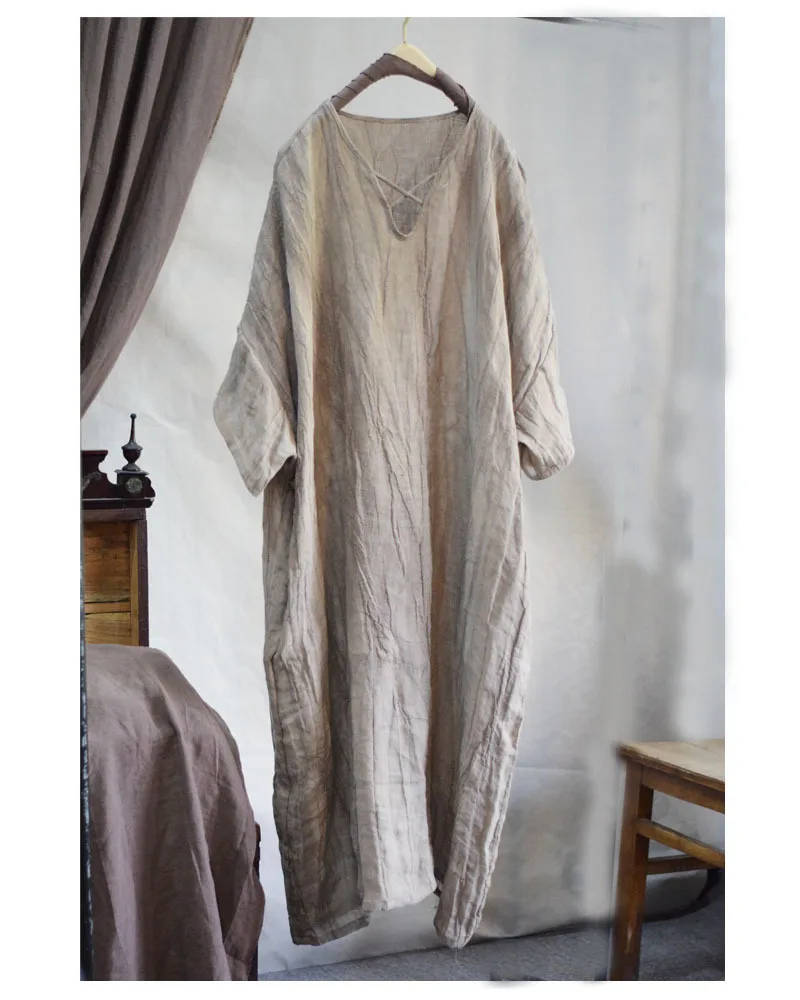
Before learning how to prevent linen dresses from wrinkling, it’s important to understand why linen behaves this way.
- Natural Fiber Structure: Linen is made from flax plant fibers, which are long, strong, and highly breathable. However, these fibers have very little elasticity. This means once the fabric is folded, pressed, or compressed, it tends to hold that shape.
- Low Elastic Recovery: Unlike synthetic fabrics, linen does not “bounce back” easily after being creased. This is why wrinkles appear quickly even after light movement.
- Moisture Absorption: Linen absorbs moisture efficiently. While this makes it ideal for hot weather, it also causes fibers to relax and crease more easily when wet or damp.
- Heat and Friction Impact: Heat from ironing, body movement, and friction from sitting or carrying bags can create additional creasing.
- The Aesthetic Factor: Interestingly, wrinkles are part of linen’s charm. Many fashion experts consider them a symbol of relaxed luxury and natural beauty.
However, even though wrinkles are natural, many people still want to reduce wrinkles in linen dress for a more polished appearance.
Best Ways to Prevent Linen Dresses from Wrinkling
Preventing wrinkles in linen dresses is not about a single trick, but a combination of smart fabric choices and consistent care habits. Each step—from selection to washing and drying—directly influences how smooth or creased the garment will look in daily wear.
Choose High-Quality Linen Fabric
Fabric quality is the foundation of how well linen resists wrinkling.
- Medium-weight linen offers better structure and holds its shape more effectively, making it less prone to sharp creases compared to lightweight versions.
- Soft-washed linen is pre-treated to relax fibers, resulting in a smoother texture and easier everyday maintenance with fewer visible wrinkles.
- Linen blends such as linen-cotton or linen-viscose improve flexibility and reduce creasing while maintaining breathability.
In practice, choosing the right fabric is the first step in achieving more wrinkle-free linen dress care.
Wash Linen Dresses Properly
Washing technique strongly affects how linen behaves after drying.
- Use cold or lukewarm water to protect fiber structure and reduce stress on the fabric. Always select a gentle cycle with low spin speed to minimize friction during washing.
- A mild detergent helps preserve softness without weakening fibers over time. Avoid overloading the machine, as crowding increases twisting and wrinkling. Linen should also never be wrung or twisted, since this creates deep, hard-to-remove creases.
These linen dress care tips help maintain a smoother fabric surface after every wash.
Dry Linen Dresses Correctly
Drying is one of the most important stages in maintaining linen clothing. Air drying is always the safest option, ideally by hanging the dress on a wide or padded hanger to preserve its natural shape. A quick shake before hanging helps release early creases. One key professional tip is to remove the dress while it is still slightly damp. At this stage, linen is more flexible, making it easier to smooth out wrinkles naturally without heavy ironing.
How to Remove Wrinkles from Linen Dresses?
Even with proper care, some wrinkles are unavoidable, so quick and effective finishing methods are essential.
- Steaming Linen Dresses (Best Method): Steaming is the most gentle and effective solution. It relaxes fibers without direct pressure, making it ideal for regular maintenance. Simply hang the dress and steam from top to bottom at a short distance for best results.
- Ironing Linen Properly: If needed, ironing should be done at medium to high heat on a linen setting. The fabric works best when slightly damp, and using steam improves results. Ironing inside out helps protect texture and prevents shine marks.
- Quick Fix Methods: For fast touch-ups, hanging the dress in a steamy bathroom or lightly misting with water can reduce light wrinkles. Hand smoothing while the fabric is warm also helps refresh the appearance quickly.
With the right fabric choice, gentle washing, proper drying, and simple finishing techniques like steaming or ironing, linen dresses can stay significantly smoother and more polished in everyday wear while still retaining their natural, effortless charm.
Storage Tips to Keep Linen Dresses Wrinkle-Free

Proper storage plays a crucial role in preserving fabric structure and preventing long-term crease formation.
- Hang Instead of Fold: Hanging linen dresses is the most effective way to prevent permanent fold lines from forming. Continuous folding creates pressure points in the fabric, which eventually turn into deep-set wrinkles that are difficult to remove. Hanging allows the fabric to rest naturally and maintain its original drape.
- Use Wide Hangers: The type of hanger used also affects fabric shape. Wide or padded hangers help distribute weight evenly across the shoulders, preventing indentations or stretching. Thin hangers, by contrast, may leave marks or distort the garment’s natural structure over time.
- Avoid Overcrowding: A tightly packed wardrobe increases friction between garments. This constant pressure leads to compressed wrinkles and reduces airflow, making linen appear more worn than it actually is. Adequate spacing allows the fabric to breathe and remain smoother.
- Store in a Breathable Space: Linen performs best in environments with good air circulation. Breathable storage prevents moisture buildup and helps maintain fabric freshness, which indirectly reduces stiffness and creasing over time.
- Folding for Long-Term Storage: When folding is unavoidable, it should be done with care. Loose folds are preferable to sharp creases, and heavy stacking should be avoided. Soft folding techniques help minimize pressure lines during extended storage periods.
These principles are essential for how to store linen dresses without wrinkles and preserve their natural flow.
How to Wear Linen Dresses Without Creating New Wrinkles?
Even with perfect care routines, wearing habits significantly influence how linen looks throughout the day. Small adjustments in styling and movement can help maintain a cleaner appearance.
- Choose Relaxed Fits: Loose and flowy silhouettes naturally reduce tension on the fabric. When linen is not stretched tightly across the body, it is less likely to form sharp creases during movement or sitting.
- Avoid Excess Friction: Accessories such as belts, crossbody bags, or layered outerwear can create repeated friction points. Over time, this leads to localized wrinkling in high-contact areas. Minimizing unnecessary pressure helps maintain a smoother finish.
- Sit Carefully: Extended sitting is one of the most common causes of visible linen wrinkles, especially around the lap and waist area. Adjusting posture periodically or smoothing the fabric after sitting can significantly reduce crease buildup.
- Travel Steamer Use: A compact garment steamer is highly effective for maintaining freshness throughout the day. It allows quick touch-ups before meetings, events, or outings, ensuring linen remains presentable with minimal effort.
This approach supports the goal of keeping linen clothes neat and polished throughout daily wear.
Travel Tips for Wrinkle-Free Linen Dresses
Travel environments naturally increase fabric compression, making linen more prone to creasing. Proper packing techniques can significantly reduce this effect.
- Roll Instead of Fold: Rolling garments instead of folding helps distribute pressure more evenly and reduces the formation of sharp crease lines. This method is especially useful for short trips and lightweight packing.
- Use Garment Bags: Garment bags provide an additional protective layer that prevents excessive compression between items. This helps maintain the dress’s natural shape during transit.
- Pack with Tissue Paper: Placing soft tissue paper between folds reduces friction and helps maintain smoother surfaces. It acts as a buffer that minimizes direct fabric-to-fabric contact.
- Unpack Immediately: Once arriving at the destination, unpacking linen dresses as soon as possible allows wrinkles to relax naturally. Hanging garments promptly helps restore their original drape.
- Steam After Travel: A quick steaming session after unpacking is often enough to fully refresh the fabric. It smooths out travel-induced creases and restores a clean, polished appearance.
These techniques are essential for how to avoid wrinkles in linen dresses when traveling, ensuring the fabric remains elegant even on the move
Best Linen Care Routine (Summary System)
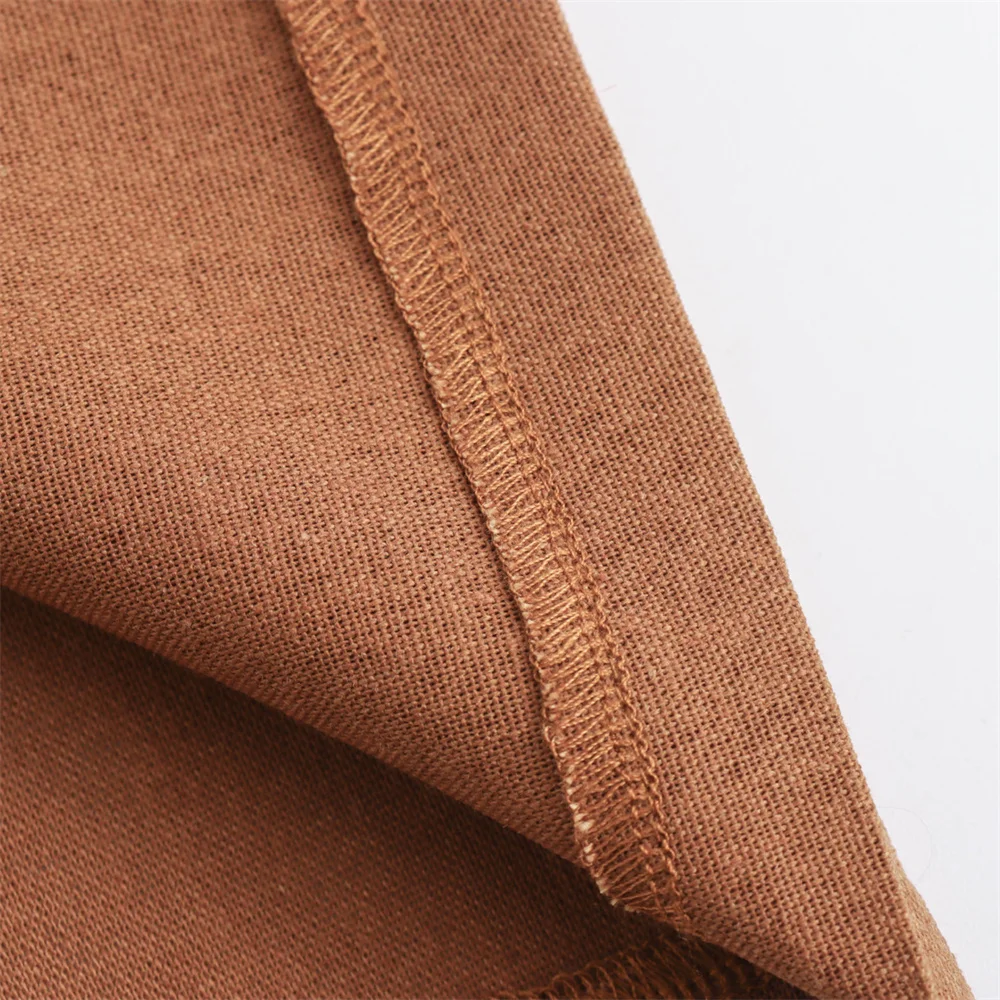
A consistent linen care routine is the most effective way to maintain fabric quality, reduce excessive wrinkling, and extend the lifespan of linen dresses. Instead of focusing on isolated steps, an integrated approach across washing, drying, finishing, storage, and wearing ensures long-term smoothness and a more refined appearance.
Washing
Proper washing sets the foundation for overall fabric condition.
- Use cold or lukewarm water to protect natural fibers from stress and shrinkage
- Select a gentle or delicate cycle to minimize mechanical agitation
- Use a mild detergent to preserve softness and prevent fiber weakening over time
This stage directly influences how easily wrinkles form in later steps, making it a critical part of effective linen maintenance.
Drying
Drying technique plays a key role in preserving the natural structure of linen.
- Prefer air drying instead of machine drying to avoid heat damage
- Hang the garment properly on a wide hanger to maintain shape and reduce fold marks
- Remove while slightly damp to allow easier smoothing and natural wrinkle release
At this stage, linen fibers are most responsive to reshaping, making drying a decisive factor in overall smoothness.
Wrinkle Control
Finishing techniques help refine appearance and maintain a polished look.
- Use steaming regularly as the primary method for gentle wrinkle removal
- Apply ironing when necessary, preferably on a slightly damp fabric with controlled heat
These methods help restore structure without damaging the natural texture of linen, ensuring a more consistent and presentable finish.
Storage
Correct storage prevents long-term crease formation and fabric distortion.
- Hang garments neatly to avoid permanent fold lines
- Avoid overcrowding to reduce pressure and friction between items
- Ensure storage areas allow proper airflow to maintain fabric freshness
Well-managed storage conditions help preserve both the shape and softness of linen over time.
Wearing
Daily habits significantly influence how linen holds up throughout the day.
- Reduce friction from accessories such as bags, belts, or tight outer layers
- Handle carefully during wear, especially when sitting or moving frequently
Small adjustments in usage behavior can greatly reduce the formation of new wrinkles and help maintain a cleaner overall appearance.
A structured linen care routine built on proper washing, controlled drying, consistent wrinkle management, smart storage, and mindful wearing creates a reliable system for long-term fabric maintenance. When applied consistently, linen dresses retain a smoother, more refined look while preserving their natural breathable elegance.
FAQs about How To Prevent Linen Dresses From Wrinkling?
Understanding common concerns about linen care helps clarify how the fabric behaves in real-life use and what can realistically be expected in terms of wrinkle control. These answers reflect practical experience in long-term linen maintenance and care optimization.
Why do linen dresses wrinkle so easily?
Linen is made from natural flax fibers, which are strong but have very low elasticity. Unlike synthetic fabrics, linen does not have the ability to rebound quickly after being compressed, folded, or stretched. As a result, any pressure from movement, sitting, or washing tends to remain visible as creases. This structural characteristic is what gives linen its relaxed texture but also makes it naturally prone to wrinkling.
Can linen be made completely wrinkle-free?
Achieving a completely wrinkle-free linen garment is not realistic due to the inherent nature of the fiber. However, wrinkle visibility can be significantly minimized through proper care techniques such as controlled washing, correct drying, regular steaming, and thoughtful storage. The goal is not elimination, but effective management of natural creasing for a cleaner and more refined appearance.
Is steaming better than ironing?
Steaming is generally considered more suitable for linen in everyday care. It works by relaxing fibers with moisture and heat without direct contact, which reduces the risk of fabric shine or damage. Ironing can still be effective when needed, but it requires more control over heat and moisture levels. In regular maintenance, steaming offers a safer and more efficient solution for preserving linen texture.
How often should linen dresses be ironed?
Ironing should be done only when necessary, rather than as a routine step. Frequent ironing can gradually stress natural fibers and reduce fabric longevity. In most cases, light steaming or proper hanging after washing is sufficient to maintain a presentable appearance, with ironing reserved for deeper or stubborn wrinkles.
Does washing linen always cause wrinkles?
Wrinkling is a natural outcome of washing linen due to fiber movement and moisture absorption. However, the intensity of wrinkles largely depends on washing technique. Gentle cycles, cold water, and proper drying methods can significantly reduce crease formation, making the fabric easier to manage after laundering.
Conclusion
Linen is one of the most beautiful and breathable fabrics in fashion, but it requires thoughtful care to maintain its elegance. Understanding How to Prevent Linen Dresses from Wrinkling allows you to enjoy the natural beauty of linen without worrying about excessive creasing. By following the right washing techniques, drying methods, storage habits, and wearing practices, you can easily keep linen dresses wrinkle-free, or at least minimize wrinkles significantly while preserving their natural charm.
As Évoria concludes, linen is not about perfection—it is about effortless sophistication. When cared for correctly, your linen dresses will always look fresh, elegant, and timelessly beautiful.