At Évoria, we believe that elegance begins with care—the way you treat your garments defines how long they last and how beautiful they look on you. That is why understanding How to Iron Linen Dresses Properly is essential to keep your linen dresses smooth, polished, and refined without damaging their natural fibers.
Linen is known for its timeless elegance, breathability, and effortless texture, but it also wrinkles easily and requires a gentle, precise approach. In this guide, Évoria will walk you through everything you need to know—from the causes of wrinkles to step-by-step ironing techniques, expert tips, and long-term care methods—so you can master ironing linen dresses properly with confidence.
Why Linen Dresses Wrinkle Easily?
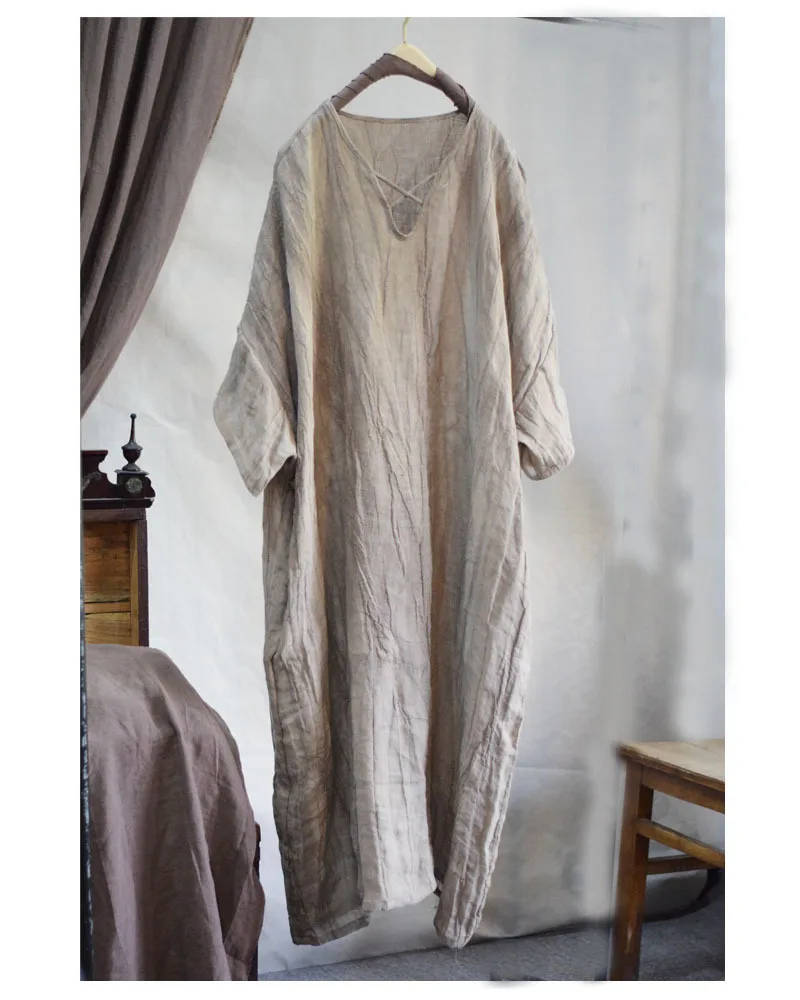
Before learning how to iron linen dresses properly, it is important to understand the nature of linen itself.
Natural Fiber Structure
Linen is made from flax plant fibers, which are long, strong, and highly absorbent. However, these fibers have very little elasticity. This means:
- Linen creases easily under pressure
- Wrinkles remain until heat or moisture is applied
- The fabric does not “bounce back” like synthetic materials
This natural structure is the main reason why linen dresses require special ironing care.
Breathability vs Wrinkle Resistance
Linen is loved for being:
- Highly breathable
- Moisture-wicking
- Lightweight and comfortable
But these same properties make it more prone to wrinkling. The looser weave that allows airflow also allows folds to set in more easily.
Common Causes of Excess Wrinkles
Many people unknowingly worsen linen wrinkles due to improper care, such as:
- Over-drying linen dresses in the dryer
- Leaving clothes crumpled after washing
- Using high spin cycles during laundry
- Storing linen improperly folded instead of hung
Understanding these causes helps reduce the need for aggressive ironing later.
Preparing Your Linen Dress Before Ironing
Proper preparation is a crucial step in how to iron linen dresses properly. Skipping this stage can lead to uneven results or even fabric damage.
Always Check the Fabric Label
Different linen garments may have different compositions:
- 100% linen (requires higher heat and more steam)
- Linen blends (require medium heat settings)
- Pre-treated or soft-washed linen (more delicate handling)
Always check care instructions before applying heat.
Best Condition for Ironing Linen
The ideal time to iron linen dresses is when they are:
- Slightly damp
- Freshly sprayed with water
- Or just removed from air drying before fully dry
Dampness helps relax fibers, making wrinkles easier to remove.
Essential Tools for Ironing Linen Dresses
To achieve the best results, prepare the following tools:
- Steam iron for linen dresses
- Ironing board with smooth surface
- Spray water bottle
- Pressing cloth (to protect fabric)
- Garment steamer (optional alternative)
Each tool plays a role in achieving smooth, wrinkle-free linen.
Best Temperature and Iron Settings for Linen
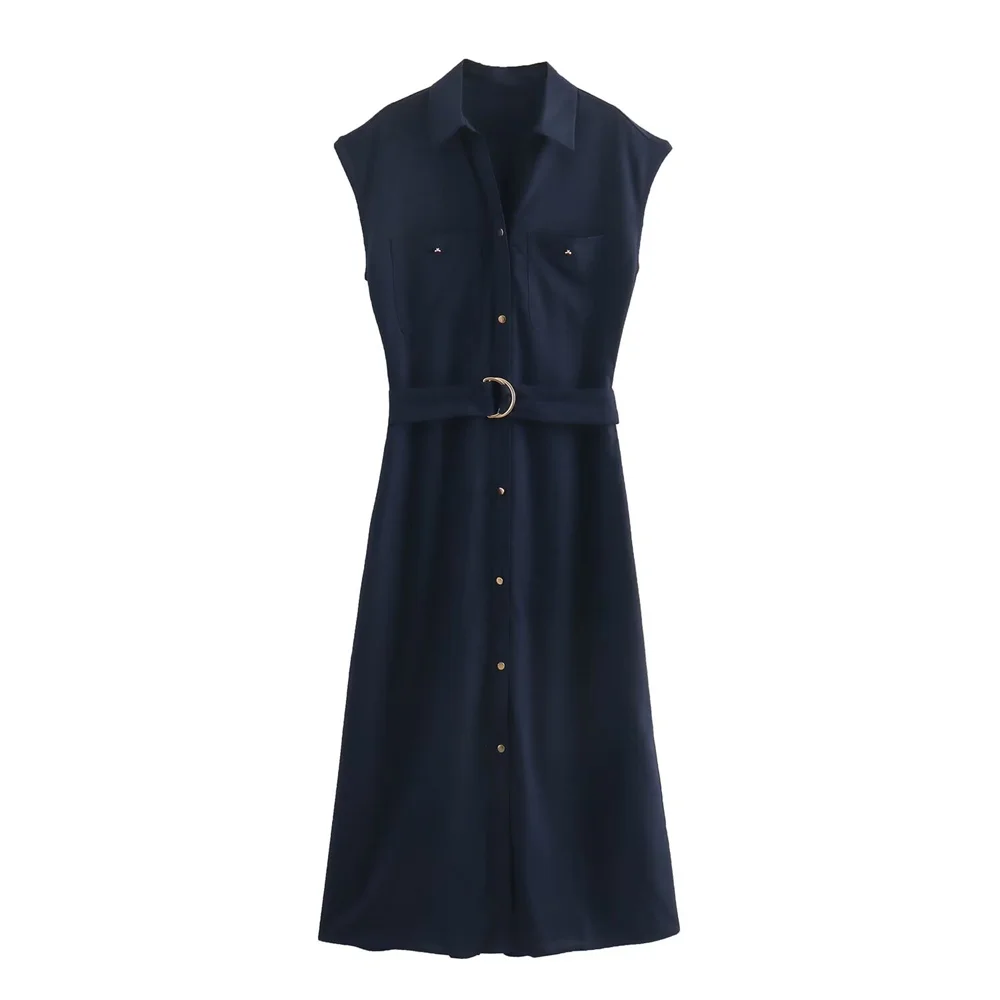
Proper temperature control is the foundation of successful linen care. With its natural fibers and textured structure, linen responds best when heat, moisture, and technique are carefully balanced to restore a crisp finish without damaging the fabric.
Ideal Heat Settings
Selecting the correct heat level depends on the fabric composition and weave density.
- Pure linen: High heat setting is most effective for releasing deep-set wrinkles and restoring a smooth surface.
- Linen blends: Medium heat is safer, especially when blended with cotton or synthetic fibers that may react to excessive temperature.
- Delicate or soft-washed linen: Begin with low heat, then gradually increase as needed to avoid stressing the fibers.
Consistently using low heat alone is not recommended, as it typically fails to penetrate the fiber structure and leaves stubborn creases unresolved.
Steam vs Dry Ironing
Steam plays a critical role in modern linen care and significantly improves ironing efficiency. Steam ironing is preferred because it:
- Penetrates deeply into natural fibers
- Helps relax hardened or set-in wrinkles
- Reduces the need for heavy manual pressure
Dry ironing can still be used in controlled situations, but it generally requires more time and repeated passes to achieve a comparable result. For best outcomes, combining heat with controlled steam application is the most effective approach.
Safety Tips
Careful handling during ironing helps maintain both the appearance and lifespan of linen garments.
- Avoid excessive heat exposure that may scorch or weaken fibers
- Always test temperature on an inconspicuous area before full ironing
- Do not leave the iron in one fixed position on the fabric
These precautions help prevent common issues such as burning, shine marks, or irreversible discoloration, especially on premium linen dresses.
Step-by-Step Guide: How to Iron Linen Dresses Properly
A structured approach ensures consistent results while preserving the natural texture of linen fabric. Each step builds toward a smooth, polished finish.
Lay the Dress Correctly
A stable and well-prepared surface is essential before applying heat.
The dress should be placed neatly on the ironing board with attention to alignment.
- Smooth out visible folds by hand
- Align seams to maintain garment shape
- Ensure the fabric lies flat without twisting
Proper positioning helps distribute heat evenly and prevents new creases from forming during ironing.
Turn the Dress Inside Out
Reversing the garment is a key professional technique used to protect fabric quality.
Ironing inside-out helps:
- Preserve the outer surface texture
- Minimize unwanted shine marks
- Maintain the natural matte finish of linen
This step is especially important for darker shades, where surface marks are more visible.
Start with Small Areas First
Precision areas should always be handled before larger sections to maintain control over shaping.
Focus first on:
- Sleeves
- Collars
- Cuffs
These details define the structure of the garment and require careful, controlled movements to ensure a clean finish.
Move to Larger Sections
Once detailed areas are completed, proceed to the main body of the dress.
- Bodice
- Waistline
- Skirt or lower panels
Work in a steady, systematic motion to maintain uniform smoothness across the entire garment without missing hidden creases.
Use Steam Effectively
Steam is most effective when applied strategically rather than continuously.
- Use short, controlled bursts of steam during ironing
- Lightly mist stubborn wrinkle zones when needed
- Allow heat and moisture to work together to relax fibers naturally
This combination significantly improves wrinkle removal efficiency while reducing the need for excessive pressure.
Avoid Over-Pressing
Excessive force is unnecessary and may damage the natural structure of linen fibers. Avoid:
- Applying heavy downward pressure
- Holding the iron stationary on one spot
- Stretching the fabric during ironing
Instead, use smooth, gliding motions with consistent speed to maintain fabric integrity while achieving a clean, refined finish.
Effective linen ironing relies on the right balance of temperature, moisture, and controlled technique. When handled properly, linen retains its natural elegance while achieving a visibly smoother and more polished appearance without compromising fabric quality.
How to Remove Stubborn Wrinkles from Linen Dresses?
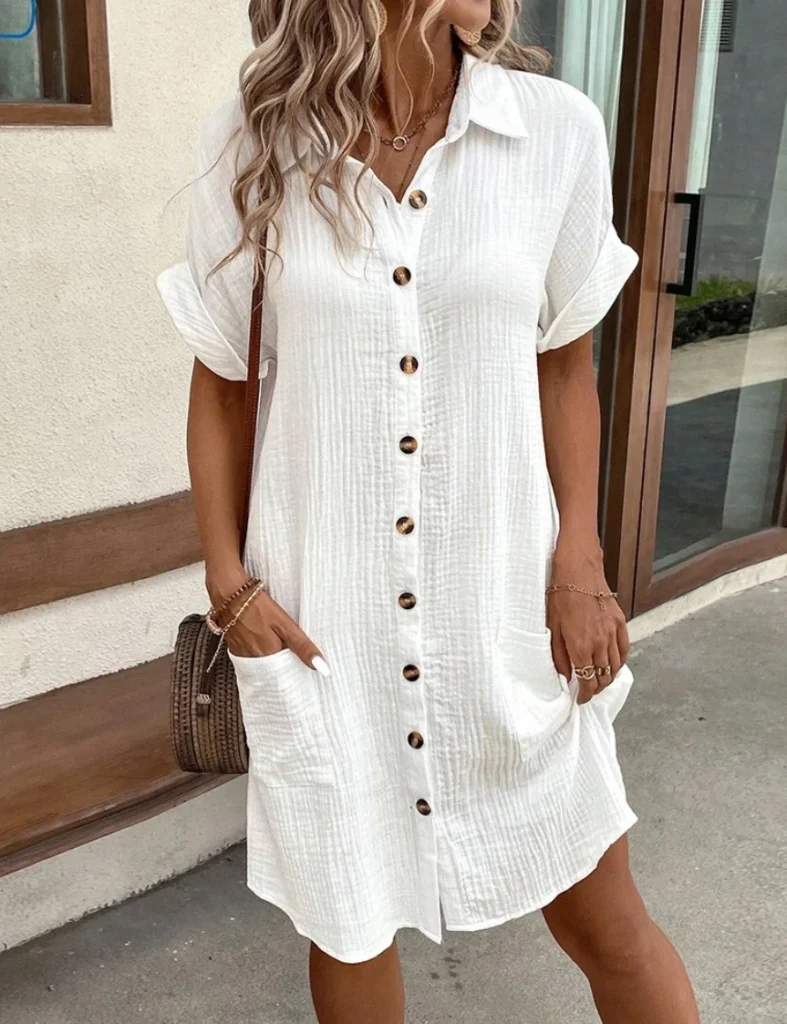
Even with proper ironing techniques, linen can occasionally develop deep-set wrinkles due to its natural fiber structure. In these cases, targeted moisture and heat methods help restore a smoother appearance more effectively.
Damp Ironing Method
This technique is highly effective for wrinkles that resist standard ironing. Lightly misting water onto targeted areas helps soften compacted fibers, allowing heat to penetrate more efficiently. Once moisture is applied, ironing becomes more responsive, reducing the need for repeated passes and minimizing fabric stress. This method works particularly well on areas such as hems, sleeves, and folded seams.
Steam Burst Technique
A concentrated burst of steam can significantly improve wrinkle release in localized zones. Direct steam application helps relax tightly bound fibers and reduces crease memory in the fabric. Instead of continuous steaming, short controlled bursts deliver better precision and prevent over-saturation. This approach is especially useful for mid-garment wrinkles that form after storage or sitting folds.
Hanging Steam Method
A simple but effective method that uses ambient heat and moisture instead of direct ironing. By hanging the dress in a closed bathroom during a hot shower, natural steam gradually penetrates the fabric. This gentle exposure helps loosen light to moderate wrinkles without physical contact. It is particularly suitable for delicate linen or situations where quick refresh is needed without equipment.
Garment Steamer Option
A garment steamer offers a practical and fabric-friendly alternative to traditional ironing.
- Ideal for delicate linen that may be sensitive to direct heat
- Suitable for quick refresh between wears
- Allows vertical steaming without the need for an ironing board
This method provides consistent results while preserving the natural texture and softness of linen garments.
Common Mistakes to Avoid
Understanding what not to do is just as important as applying the correct ironing technique. Linen responds strongly to heat and handling, making improper care noticeable in both texture and appearance. Frequent mistakes include:
- Ironing completely dry linen without any moisture support
- Using high heat without incorporating steam assistance
- Repeatedly over-ironing the same section, causing fabric stress
- Ignoring garment care labels specific to fabric blends or finishes
- Folding linen immediately after ironing, which traps new creases
These errors often lead to reduced fabric longevity, unwanted shine marks, or reformation of wrinkles shortly after finishing.
Alternative Methods (No-Iron Solutions)
When traditional ironing is not practical, alternative methods can still maintain a presentable and refreshed linen appearance with minimal effort.
Steaming Linen Dresses
Steaming is widely considered the most convenient maintenance method for linen. It offers several advantages:
- Faster setup and execution compared to ironing
- Reduced risk of fabric damage due to indirect heat
- Suitable for everyday wrinkle management and quick touch-ups
This method is especially effective for maintaining a naturally relaxed linen texture without over-processing the fabric.
Shower Steam Method
A practical travel-friendly solution that requires no specialized tools. Hanging linen garments in a steam-filled bathroom allows gentle moisture absorption, which naturally relaxes minor wrinkles. This approach is best suited for light creasing and short-term wear refresh, particularly when access to ironing equipment is limited.
Proper Air Drying Technique
Wrinkle prevention begins immediately after washing, making drying technique a key factor. Effective practices include:
- Shaking the dress gently to release initial creases
- Hanging immediately after washing to avoid fold setting
- Smoothing fabric by hand while it is still damp
Proper drying habits significantly reduce the need for intensive ironing later and help maintain a naturally smoother linen finish.
How to Keep Linen Dresses Wrinkle-Free Longer?
Maintaining a smooth linen appearance is less about frequent ironing and more about consistent care habits. Proper prevention techniques help minimize fiber stress and significantly reduce the formation of deep wrinkles over time.
Proper Storage
Storage plays a decisive role in preserving the natural drape of linen garments.
- Use padded or wide-shoulder hangers to maintain garment structure
- Avoid folding for long-term storage, as crease lines can become permanent
- Keep linen in a breathable wardrobe space to prevent moisture buildup and fabric stiffness
Well-planned storage helps the fabric retain its natural flow and reduces the need for repeated heat treatment.
Avoid Overcrowding
Overcrowded wardrobes are one of the most common causes of unnecessary wrinkling. When garments are pressed tightly together, constant friction and compression create new crease patterns, even after ironing. Allowing adequate spacing between items helps maintain airflow and prevents mechanical pressure from distorting the fabric surface.
Pre-Wear Steaming
A light steaming session before wearing can significantly improve the garment’s appearance throughout the day. This quick step helps relax minor wrinkles formed during storage and restores a freshly finished look. It is particularly effective for linen that has been hanging for extended periods, ensuring a smoother and more refined presentation before use.
Care Tips After Ironing
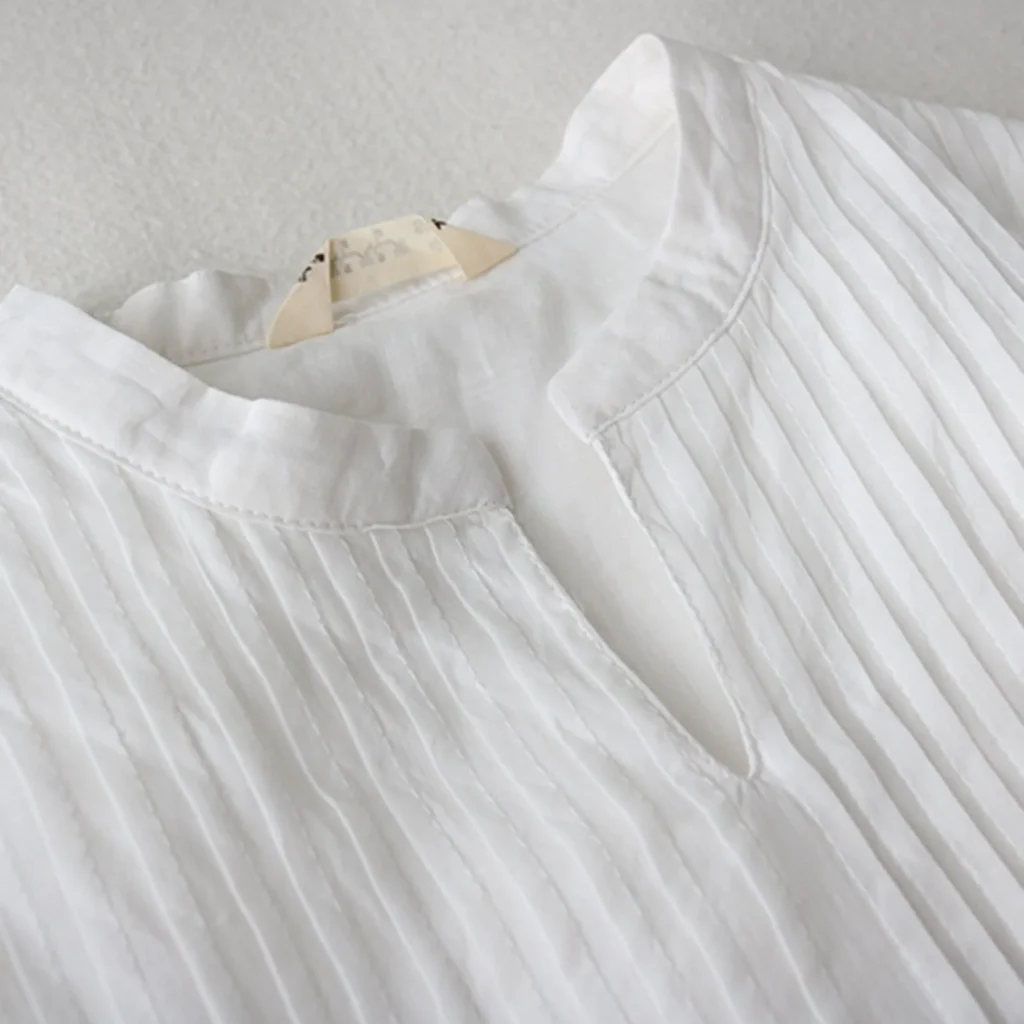
Post-ironing handling is just as important as the ironing process itself, as linen fibers remain sensitive immediately after heat exposure. Proper aftercare helps lock in smoothness and extend the finished result. Recommended practices include:
- Allowing the fabric to cool completely before storing or wearing
- Avoiding sitting or heavy movement immediately after ironing to prevent new crease formation
- Hanging the dress instead of folding to preserve the freshly pressed surface
- Keeping the garment away from humidity or damp environments
These steps help stabilize the fabric structure and maintain a cleaner, longer-lasting finish.
FAQs about How To Iron Linen Dresses Properly?
A clear understanding of common concerns helps optimize linen care practices and avoid unnecessary fabric damage.
Can you iron linen without steam?
Yes, linen can be ironed without steam; however, the process becomes less efficient. Steam improves fiber relaxation, reduces effort, and delivers a more even finish, especially on thicker or heavily wrinkled areas.
What is the best temperature for linen?
Pure linen generally responds best to high heat, while linen blends require medium heat to prevent fiber damage. Adjusting temperature based on fabric composition ensures both effectiveness and safety.
Can ironing damage linen?
Yes, improper ironing techniques such as excessive heat, prolonged contact, or strong pressure can weaken fibers, cause shine marks, or lead to discoloration over time.
How often should linen dresses be ironed?
Ironing should be done only when necessary. Linen naturally softens and relaxes with wear, meaning frequent ironing is often unnecessary and may reduce fabric longevity.
Is steaming better than ironing?
Steaming is generally considered gentler and more fabric-friendly. It reduces direct heat stress, helps maintain natural texture, and is highly effective for regular maintenance and light wrinkle removal.
Conclusion
Mastering How to Iron Linen Dresses Properly is not about force—it is about understanding the fabric and working with it, not against it. Linen is naturally elegant in its imperfections, but with the right care, it can look refined, smooth, and effortlessly polished. At Évoria, we believe that caring for linen is part of embracing its beauty. When you combine the right temperature, steam techniques, preparation, and gentle handling, ironing linen dresses becomes simple, effective, and even satisfying. With these methods, your linen wardrobe will always stay fresh, graceful, and ready for any occasion.