Évoria has always believed that a linen dress is more than just a seasonal outfit—it is a long-term investment in comfort, elegance, and natural beauty. But linen, as timeless as it is, requires intentional care. Without proper storage, even the highest-quality linen fabric can lose its softness, develop stubborn wrinkles, or suffer from yellowing and moisture damage over time. That is why understanding How to Store a Linen Dress for Longevity is essential for anyone who loves natural fiber clothing and wants to preserve its beauty for years.
Linen is breathable, lightweight, and environmentally friendly, but it is also sensitive to humidity, pressure, and improper handling. In this guide, Évoria will walk you through the essentials of linen dress care and storage, including how to prevent fabric deterioration, reduce wrinkles in storage, choose the right environment, and protect your garments from long-term damage—helping you keep your wardrobe fresh, elegant, and long-lasting.
Why Proper Linen Dress Storage Matters?
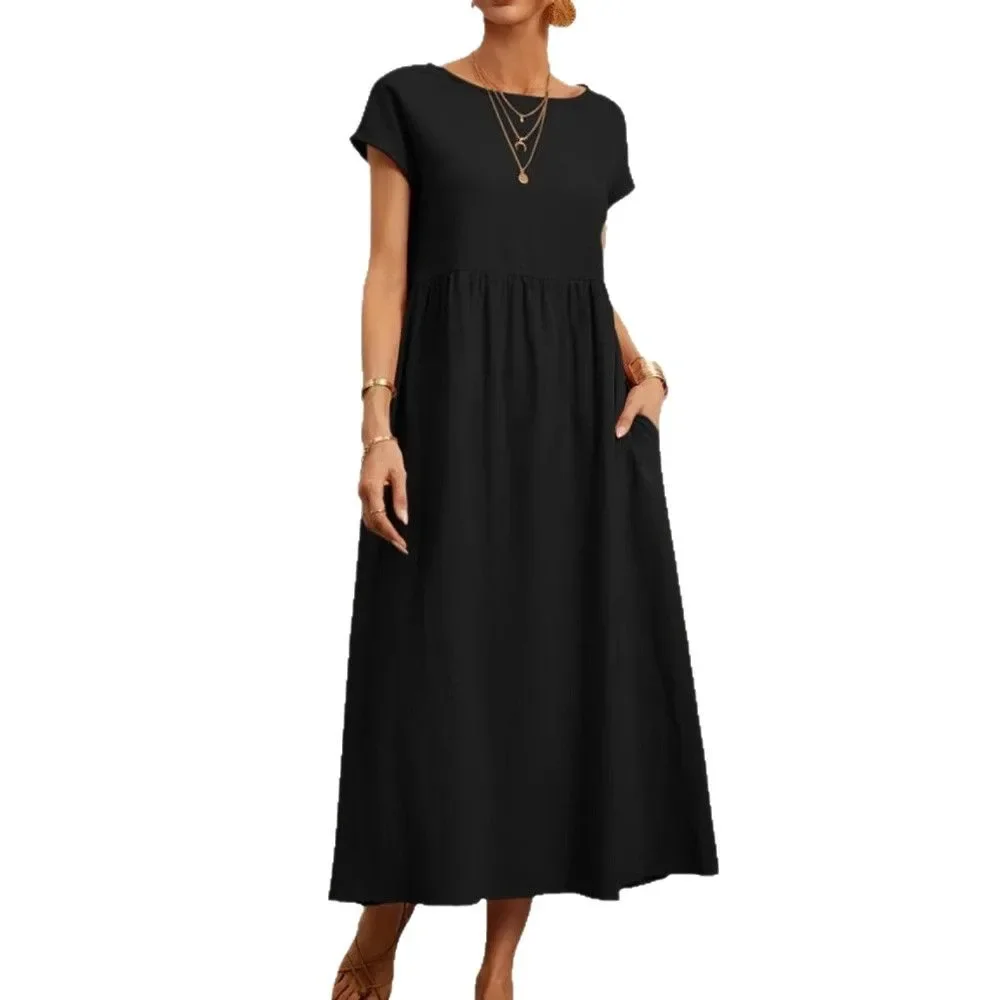
Linen is a natural fiber derived from the flax plant, known for its breathability, strength, and relaxed texture. However, unlike synthetic fabrics, linen is more vulnerable to environmental conditions.
Natural Fiber Sensitivity
Because linen is made from plant fibers, it reacts strongly to moisture, heat, and light exposure. Over time, improper storage can lead to:
- Fabric yellowing
- Permanent creasing
- Mold and mildew growth
- Loss of softness
- Fiber weakening
Common Storage Mistakes
Many people unintentionally shorten the lifespan of their linen dresses by:
- Storing them in plastic bags
- Leaving them slightly damp before storing
- Overcrowding wardrobes
- Hanging them on thin wire hangers
- Exposing them to direct sunlight
Why Proper Storage Extends Longevity?
When stored correctly, linen dresses:
- Maintain natural softness
- Resist deep wrinkles
- Retain original color
- Last for many seasons or even years
- Require less frequent ironing
For Évoria, proper storage is not just maintenance—it is preservation of beauty.
Preparing Your Linen Dress Before Storage
Before learning how to store a linen dress for longevity, preparation is the most critical step. Storing linen without preparation is one of the fastest ways to damage it.
Always Clean Your Linen Dress First
Storing a linen dress without washing it is one of the most common mistakes. Sweat, oils, and invisible stains can oxidize over time, leading to:
- Permanent discoloration
- Fabric weakening
- Unpleasant odor buildup
Best Practice:
- Wash using a gentle detergent
- Avoid harsh chemicals or bleach
- Choose cold or lukewarm water
- Rinse thoroughly to remove residue
Clean linen ensures long-term fabric preservation and prevents deep-set stains.
Dry Completely Before Storage
Moisture is the biggest enemy of linen storage. Even slightly damp fabric can lead to:
- Mold formation
- Musty smell
- Fiber breakdown
Best Practice:
- Air dry in a shaded, ventilated area
- Avoid direct sunlight drying
- Ensure every fold is fully dry before storing
Évoria always emphasizes: never store linen “almost dry.”
Light Ironing or Steaming Before Storage
While linen naturally wrinkles, storing heavily wrinkled fabric can deepen creases over time.
- Prevents permanent fold lines
- Reduces future ironing effort
- Maintains a smoother fabric structure
Best Method:
- Use steam instead of high heat
- Lightly smooth out deep wrinkles
- Do not over-press natural texture
Best Ways to Store a Linen Dress for Longevity

Proper storage is the foundation of preserving linen’s natural beauty, softness, and structural integrity over time. With the right techniques, a linen dress can maintain its elegance for years instead of seasons.
Hanging Linen Dresses Properly
Hanging is one of the most effective methods for storing structured or medium-weight linen dresses, as it helps preserve the natural drape of the fabric while minimizing deep fold lines.
- Using padded, wooden, or wide-shoulder hangers to support fabric weight evenly
- Avoiding thin metal or plastic hangers that can distort shoulder shape
- Leaving adequate space between garments to prevent compression and friction
- Ensuring the closet is not overcrowded to maintain airflow and fabric breathing room
Proper hanging helps the linen maintain its original silhouette, reduces unnecessary folding stress, and prevents stubborn creases from setting into the fibers. However, long-term hanging without spacing can lead to subtle stretching, especially in heavier linen pieces, making balanced spacing essential for durability.
Folding Linen Dresses Correctly
Folding is often the preferred method for lightweight linen dresses or long-term seasonal storage, as it reduces tension on the shoulders and prevents hanger-related stretching.
- Align folds with natural seams to maintain fabric structure
- Avoid creating sharp or overly tight creases that can become permanent over time
- Place acid-free tissue paper between folds to reduce friction and pressure marks
- Store in breathable drawers or fabric-lined storage boxes for airflow protection
When done correctly, folding distributes pressure evenly across the garment, preventing deformation while maintaining fabric stability over extended storage periods.
Using Breathable Garment Bags
One of the most critical principles in How to Store a Linen Dress for Longevity is avoiding non-breathable materials, especially plastic, which can trap moisture and accelerate fabric deterioration.
- Cotton garment bags
- Linen fabric covers
- Muslin storage bags
Plastic materials restrict airflow and create a sealed environment where moisture, heat, and odor can accumulate. Over time, this can lead to mildew formation, fiber weakening, and irreversible fabric damage.
Breathable garment bags, on the other hand, allow continuous air circulation while still protecting the dress from dust and external contaminants, ensuring long-term fabric preservation.
Ideal Storage Environment for Linen Clothing
Even the best folding or hanging techniques will fail if the surrounding environment is not properly controlled. Linen requires a stable, clean, and well-ventilated storage space to maintain its natural integrity.
Temperature and Humidity Control
Linen performs best in environments where temperature and humidity remain consistent and moderate.
Ideal storage conditions:
- Cool, stable temperature
- Low to moderate humidity levels
- Continuous but gentle air circulation
Environments to avoid:
- Damp basements
- Overheated attic spaces
- Poorly ventilated bathrooms or closets
Excess humidity is particularly harmful, as it encourages mold growth and weakens natural fibers, significantly reducing the lifespan of linen garments.
Protect from Sunlight and UV Exposure
Direct sunlight is one of the most underestimated threats to linen clothing, as it gradually breaks down fibers and alters natural color tones.
Effects of prolonged UV exposure:
- Fabric discoloration and uneven fading
- Fiber brittleness over time
- Reduced overall garment durability
Preventive measures:
- Store garments in shaded or enclosed spaces
- Use closed wardrobes or covered storage systems
- Avoid exposure to sun-facing windows or bright light sources
Limiting UV exposure helps preserve both the structural strength and aesthetic quality of linen fabric.
Ensure Proper Air Circulation
Air circulation plays a crucial role in maintaining fabric freshness and preventing long-term storage damage.
- Prevents stale odor buildup within fabric layers
- Reduces trapped moisture that can lead to mildew
- Maintains a fresh, breathable environment for natural fibers
Well-ventilated storage spaces allow linen to “breathe,” ensuring the fabric remains clean, dry, and in optimal condition even during extended storage periods.
Preventing Wrinkles and Fabric Damage in Storage
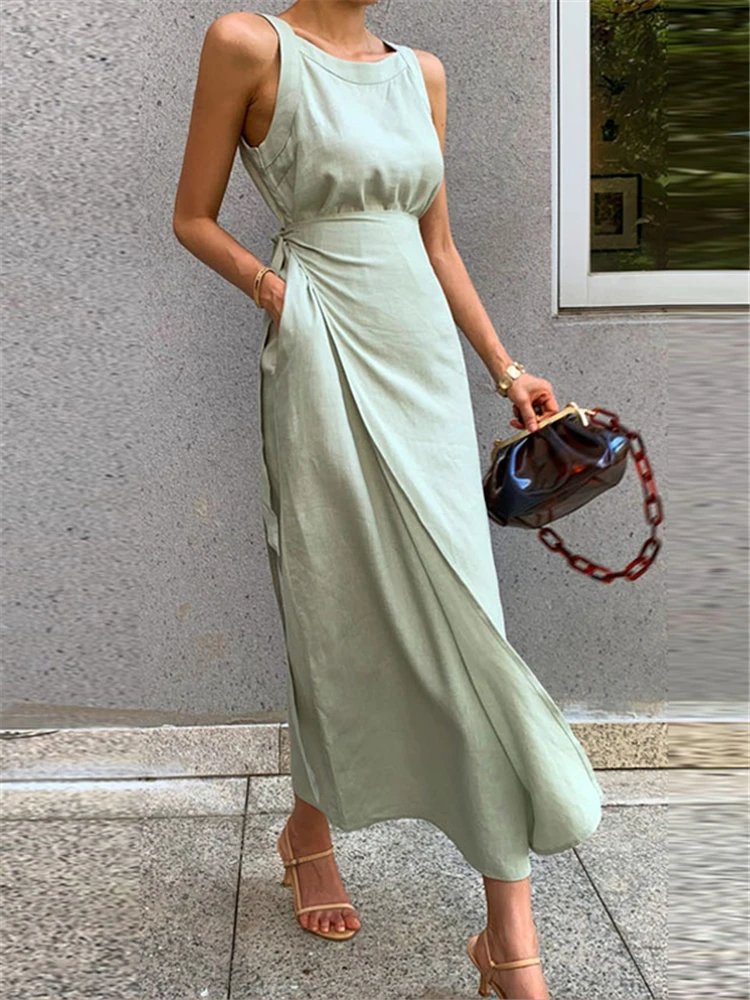
Wrinkles are an inherent characteristic of linen due to its natural fiber structure, but when caused by improper storage conditions, they can become deeply set and difficult to remove. Over time, poor storage practices may also lead to fabric stress, weakening the overall integrity of the garment.
- Avoiding overpacking shelves or compressing garments in tight spaces
- Ensuring linen dresses are not placed under heavy items that create pressure marks
- Rotating seasonal clothing regularly to prevent long-term creasing in static positions
- Using acid-free tissue paper or soft padding between folds to reduce friction lines
- Maintaining adequate space between garments to allow natural airflow and movement
Proper air circulation is essential, as it helps minimize pressure points and reduces the risk of permanent fold lines forming in stored linen fabric.
Long-Term Storage Tips for Linen Dresses
Long-term or seasonal storage requires a more deliberate approach, as extended periods without movement can affect both the texture and structure of linen garments. Proper maintenance during storage ensures the fabric remains fresh and wearable over time.
Seasonal Rotation
Off-season linen dresses should be separated and stored in a dedicated space to reduce overcrowding. This helps minimize unnecessary compression and allows each garment to retain its original shape without interference from heavier clothing items.
Periodic Checks
Every few months, stored garments should be inspected to ensure optimal condition:
- Check for any signs of moisture accumulation
- Air out garments to restore freshness and prevent stale odors
- Inspect for early signs of mold or mildew formation
These simple maintenance steps significantly reduce the risk of long-term fabric deterioration.
Refreshing Before Wearing
Before reuse, linen garments benefit from gentle restoration rather than full rewashing:
- Light steaming helps release storage wrinkles without stressing fibers
- Hanging the garment in fresh air restores natural freshness
- Gentle shaking helps relax folded creases and revive fabric flow
This approach preserves the structural integrity of linen while maintaining its natural texture.
Common Mistakes to Avoid When Storing Linen Dresses
Even minor storage mistakes can gradually compromise the durability and appearance of linen garments. Since linen is a natural fiber, it responds quickly to environmental stress and improper handling.
- Storing garments without proper cleaning, which can lock in stains and odors
- Using plastic bags that trap moisture and encourage mildew growth
- Overcrowding wardrobes, which leads to compression and permanent creasing
- Exposing stored garments to direct sunlight, causing fading and fiber weakening
- Overusing mothballs or harsh chemical repellents that may damage fabric quality
- Folding garments while damp, which significantly increases the risk of mold development
Each of these practices accelerates fiber breakdown and shortens the overall lifespan of linen clothing.
FAQs About How To Store A Linen Dress For Longevity?
Proper storage of linen dresses often raises several common questions, especially regarding long-term preservation and best practices for maintaining fabric quality.
Can linen dresses be stored in plastic bags?
Plastic bags are not recommended for long-term storage, as they trap moisture and limit airflow. This creates an environment that increases the risk of mold growth, odor retention, and fiber degradation.
Should linen be folded or hung for storage?
Both methods are suitable depending on the garment type and available space. Hanging is ideal for maintaining structure and minimizing fold lines, while folding is more appropriate for lightweight pieces or long-term storage where space efficiency is required.
How long can linen dresses be stored safely?
When stored under proper conditions—cool temperature, low humidity, and breathable materials—linen dresses can be preserved safely for several years without significant quality loss.
Do linen dresses need special storage conditions?
Yes, linen requires controlled storage conditions to maintain its natural strength and texture. Breathable storage materials, stable humidity levels, and protection from direct sunlight are essential to ensure long-term fabric longevity.
Conclusion
For Évoria, learning How to Store a Linen Dress for Longevity is not just about clothing care but about respecting natural materials and preserving timeless elegance. Linen is a fabric that rewards proper care—when stored correctly, it becomes softer, more beautiful, and more comfortable over time, but when neglected, it quickly loses its charm.
By following the right preparation steps, using breathable storage methods, maintaining proper environmental conditions, and avoiding common mistakes, you can significantly extend the life of your linen dresses. True longevity in fashion does not come from buying more, but from caring better, and that is the philosophy Évoria always stands by.