There is something undeniably effortless about linen. On a warm summer morning, when the air feels heavy and still, nothing seems more appealing than slipping into a breathable, lightweight fabric that moves with your body rather than against it. This is exactly why the question “Is Linen Good for Dresses?” has become so common among fashion lovers, travelers, and minimalist style enthusiasts.
Linen, one of the oldest natural fibers clothing, represents the balance between comfort and elegance. In this guide, we explore the benefits of linen clothing, the pros and cons of linen fabric, when to wear it, and how it compares to other materials like cotton and polyester—helping you decide if linen dresses truly belong in your wardrobe.
What Is Linen Fabric?
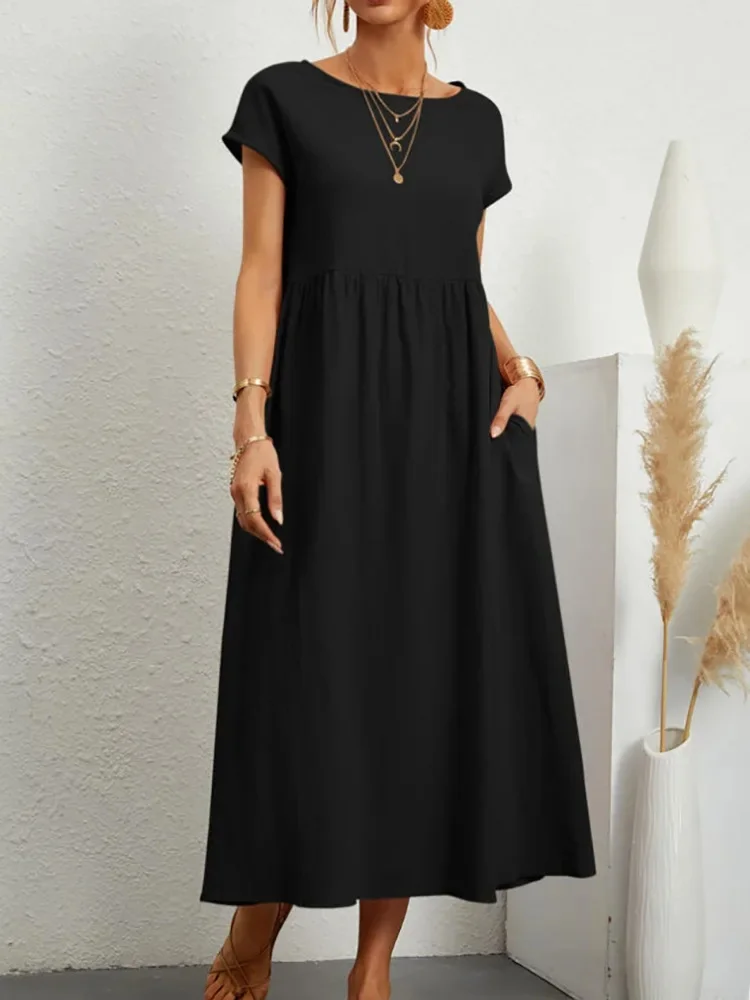
Linen is a natural fabric made from the fibers of the flax plant, a crop cultivated for thousands of years. As one of the most recognized materials in sustainable fashion linen, it is fully biodegradable and stands out as an eco-friendly alternative to synthetic textiles. Historically, linen was valued as a luxury fabric in ancient Egypt and Europe, used for clothing, bedding, and ceremonial wear. Today, it has become a staple in modern wardrobes, especially for summer dress fabrics and minimalist fashion styles.
Linen stands out because of its unique properties:
- Highly breathable fabric
- Excellent moisture-wicking clothing ability
- Lightweight yet durable structure
- Slightly textured, natural surface
- Excellent airflow and temperature regulation
- Naturally wrinkled appearance (part of its charm)
These qualities make linen especially popular in tropical weather clothing and warm-season outfits where comfort and breathability are essential.
Is Linen Good for Dresses? (Quick Answer)
Yes—linen is an excellent fabric for dresses, especially for warm climates and relaxed fashion styles. However, it is not perfect for every situation. Linen excels in breathability, comfort, and sustainability, but it also comes with drawbacks like wrinkling and higher maintenance. So the real answer is: Linen is one of the best fabrics for dresses in hot weather, but not always ideal for formal or wrinkle-free fashion needs.
Benefits of Linen Dresses (Pros)
Linen dresses are highly valued in fashion not only for their natural aesthetic but also for their functional performance in warm climates. Below are the most important advantages that explain why linen remains a top choice for summer and minimalist wardrobes.
Highly Breathable and Perfect for Hot Weather
One of the strongest reasons linen is widely used in dresses is its exceptional breathability. The natural weave structure allows air to circulate freely, helping the body stay cool even in high temperatures.
- Air flows easily through the fabric, reducing heat buildup
- Helps regulate body temperature in humid and tropical climates
- Minimizes discomfort caused by sweating during hot weather
- Considered one of the best hot weather clothing materials
Lightweight and Comfortable for Daily Wear
Linen dresses provide a naturally lightweight wearing experience that feels effortless throughout the day. This makes them ideal for both casual and travel-friendly outfits.
- Feels light and non-restrictive on the skin
- Suitable for long hours of daily wear without discomfort
- Works well for casual outings, vacations, and relaxed styling
- Commonly used in linen dress comfort benefits discussions
Moisture-Wicking and Quick-Drying Fabric
Another major advantage of linen is its ability to manage moisture effectively. It does not trap sweat, making it highly suitable for warm and humid environments.
- Absorbs moisture quickly from the skin surface
- Releases moisture faster than many natural and synthetic fabrics
- Keeps the body feeling dry and fresh throughout the day
- Ideal for linen clothing for humid weather, beachwear, and resort outfits
Eco-Friendly and Sustainable Fashion Choice
Linen is also recognized as one of the most sustainable fabrics in the fashion industry. Its production process is significantly more environmentally friendly compared to many alternatives.
- Made from natural flax plant fibers
- Fully biodegradable and low environmental impact
- Requires less water and fewer chemicals than cotton production
- A key material in eco-friendly fabric clothing movement
Durable and Long-Lasting Fabric
Despite its soft and lightweight appearance, linen is one of the strongest natural fibers available. It is designed to last and often improves in quality over time.
- High tensile strength makes it resistant to wear and tear
- Becomes softer and more comfortable after each wash
- Maintains structure even after long-term use
- Suitable for long-term wardrobe investment pieces
Timeless and Minimalist Aesthetic
Beyond functionality, linen is highly appreciated for its visual appeal. Its natural texture creates an effortless, relaxed style that fits modern fashion trends.
- Naturally wrinkled texture adds character and authenticity
- Fits well with minimalist, boho, and casual fashion styles
- Creates an effortless “undone elegance” look
- Popular in minimalist summer fashion and vacation styling
Drawbacks of Linen Dresses (Cons)
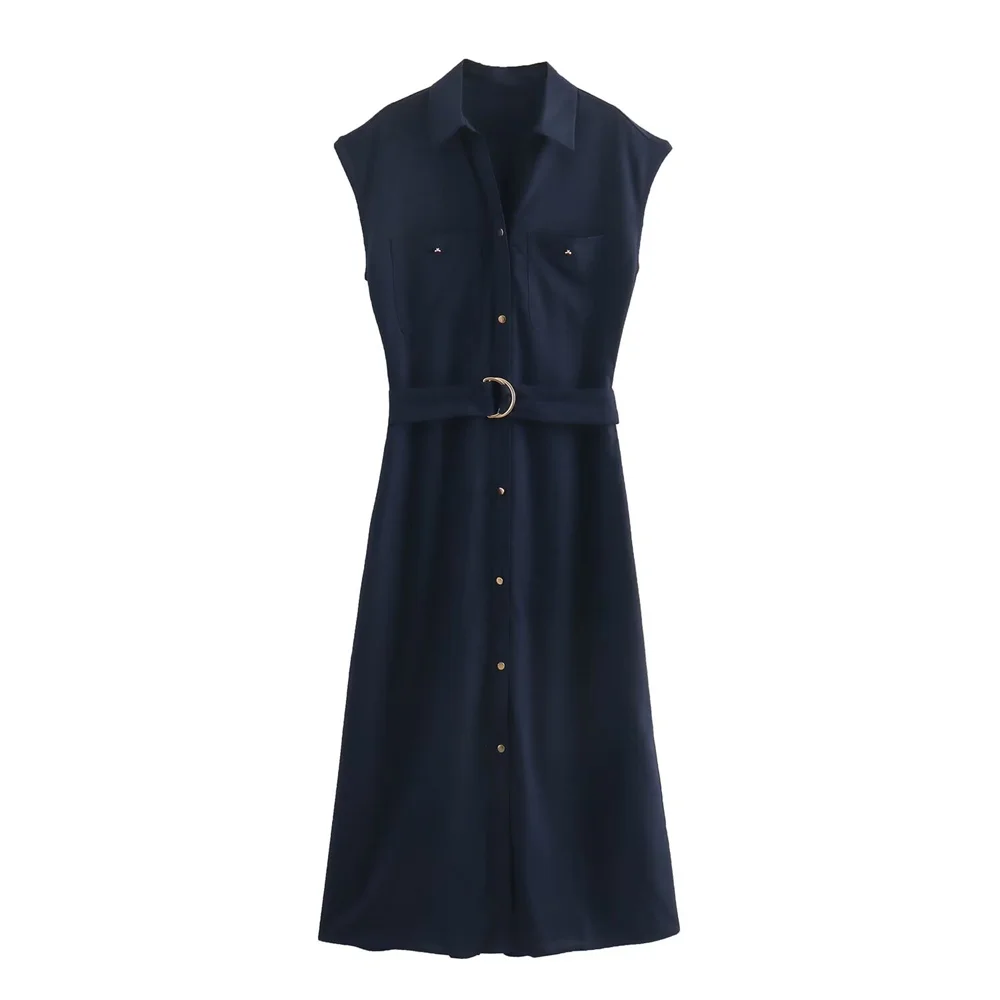
While linen offers many advantages, it also comes with certain limitations that should be considered before choosing it as a primary fabric for dresses.
Wrinkles Easily
One of the most recognized characteristics of linen is its tendency to wrinkle due to its natural fiber structure. This can be seen as either a stylistic feature or a drawback depending on preference.
- Creases form easily after sitting or movement
- May appear less polished compared to structured fabrics
- Requires steaming or embracing a natural relaxed look
- Frequently listed among common linen fabric drawbacks
Can Feel Stiff at First
New linen garments often do not provide immediate softness. This initial texture can feel slightly rigid, especially for first-time users.
- Fabric may feel coarse or stiff when brand new
- Requires a few washes to soften naturally
- Comfort improves significantly over time with wear
- Gradually adapts to body shape and movement
Higher Maintenance Compared to Other Fabrics
Linen is not a low-maintenance fabric and requires proper care to maintain its quality and longevity.
- Needs gentle washing cycles to prevent fiber damage
- Should avoid high heat during drying or ironing
- Requires careful folding or hanging for storage
- Less convenient compared to wrinkle-resistant fabrics like polyester
Risk of Shrinkage
Improper washing or drying methods can affect the size and shape of linen garments.
- Sensitive to hot water and high-temperature drying
- Can shrink if not handled correctly
- Requires cold or lukewarm water washing for best results
- Proper care is essential to preserve original fit
Higher Price Point
Linen is generally positioned as a premium fabric, which makes it more expensive compared to many alternatives.
- Higher production cost due to natural flax sourcing
- Limited yield compared to synthetic fabrics
- Often priced higher than cotton or polyester dresses
- Cost is offset by durability and long-term usability
When to Wear Linen Dresses?
Linen dresses perform best in specific environments and seasons where breathability, comfort, and natural texture are prioritized. Understanding the right occasions to wear linen helps maximize both style and practicality while avoiding situations where the fabric may not be ideal.
Hot Summer Days
Linen is at its peak performance during hot and humid weather conditions due to its natural airflow and cooling properties.
- Allows continuous air circulation to reduce heat retention
- Helps maintain comfort during high temperatures and direct sunlight
- Prevents the body from feeling overheated in humid climates
- Best suited for peak linen dresses for summer season
Beach Vacations and Resort Wear
Linen is widely associated with vacation fashion thanks to its lightweight structure and effortless visual appeal. It naturally complements relaxed travel environments.
- Lightweight and easy to carry when packing
- Dries quickly after exposure to heat or moisture
- Creates a relaxed yet refined resort aesthetic
- Ideal for beachwear and tropical holiday styling
- Enhances natural, effortless vacation outfits
Casual Everyday Outfits
Linen dresses also work well in everyday settings where comfort and simplicity are more important than formality.
- Suitable for coffee outings, city walks, and casual meetups
- Provides all-day comfort without feeling restrictive
- Easy to style with minimal accessories
- Blends naturally into relaxed urban fashion
Spring and Early Autumn
During transitional seasons, linen remains a practical choice when layered correctly to adapt to changing temperatures.
- Works well in mild and shifting weather conditions
- Can be paired with light outerwear such as cardigans or denim jackets
- Maintains breathability while offering seasonal flexibility
- Extends usability beyond summer months
When Not to Wear Linen Dresses?
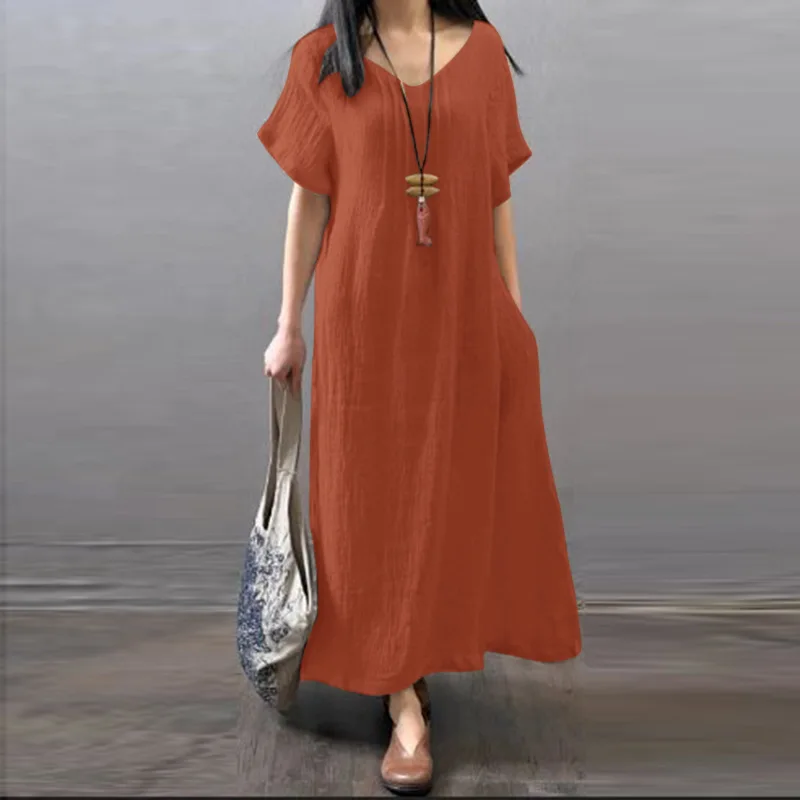
Although linen is versatile, there are certain contexts where it may not deliver the desired appearance or functionality. Recognizing these limitations helps ensure appropriate styling choices.
- Formal events requiring structured or tailored silhouettes
- Corporate environments with strict professional dress codes
- Cold weather conditions without proper layering support
- Situations demanding wrinkle-free, polished presentation
In these cases, more structured or low-maintenance fabrics may be more suitable.
Linen vs Other Fabrics
Comparing linen with other popular dress fabrics helps highlight its strengths and limitations in real-world use cases.
Linen vs Cotton Dresses
Both are natural fibers, but they offer different comfort and aesthetic experiences.
- Linen provides superior breathability and airflow
- Cotton offers a softer initial touch and smoother texture
- Linen wrinkles more easily but performs better in extreme heat
- Cotton is more forgiving for everyday low-maintenance wear
Linen vs Polyester
This comparison highlights the difference between natural and synthetic fabric performance.
- Linen is breathable, eco-friendly, and comfortable in heat
- Polyester is highly durable and resistant to wrinkles
- Linen requires more care, while polyester is low maintenance
- Polyester is practical; linen is preferred for comfort and sustainability
Linen vs Rayon
Both fabrics are used in fashion dresses but create very different visual and functional effects.
- Linen has a structured, textured, and natural appearance
- Rayon offers a smoother, softer drape with fluid movement
- Linen feels more breathable in hot climates
- Rayon is more suitable for flowy, elegant silhouettes
How to Style Linen Dresses?
Styling linen dresses depends on context, with emphasis on simplicity, natural tones, and balanced accessories to maintain the fabric’s effortless character.
Casual Everyday Look
For daily wear, linen dresses work best with minimal styling that enhances comfort and simplicity.
- Flat sandals or clean sneakers for comfort
- Minimal jewelry to maintain a natural aesthetic
- Neutral or earthy tones for a balanced look
Beach and Vacation Styling
Vacation styling emphasizes lightness and relaxed elegance, aligning perfectly with linen’s natural properties.
- Straw hats and woven accessories for texture contrast
- Flip-flops, slides, or espadrilles for comfort
- Loose silhouettes to enhance airflow and ease
Elegant Minimalist Outfit
Linen can also be styled into refined looks by focusing on clean structure and subtle details.
- Earth-toned or monochrome linen dresses
- Gold or delicate accessories for sophistication
- Clean silhouettes with minimal layering
Layered Transitional Look
For cooler or unpredictable weather, layering helps extend the usability of linen dresses.
- Lightweight cardigans for soft layering
- Denim jackets for structured contrast
- Linen scarves or neutral wraps for added warmth
Linen dresses offer maximum value when worn in warm, relaxed, and natural environments, where comfort and breathability are prioritized. While less suitable for formal or highly structured settings, they remain a strong choice for seasonal styling, travel, and everyday casual wear when paired appropriately.
How to Care for Linen Dresses?
Proper care plays a crucial role in maintaining the natural beauty, texture, and durability of linen dresses. Because linen is a natural fiber, it responds best to gentle handling and thoughtful maintenance practices that help preserve both its structure and softness over time.
Washing Tips
Correct washing methods are essential to prevent damage and maintain the integrity of linen fibers.
- Use cold or lukewarm water to reduce the risk of shrinkage
- Select a gentle or delicate cycle to minimize fabric stress
- Use mild, non-aggressive detergent to protect natural fibers
- Avoid bleach or harsh chemicals that can weaken the fabric
- Wash similar colors together to maintain appearance consistency
Drying Methods
Drying is a sensitive stage in linen care, where improper handling can affect shape and texture.
- Air drying is strongly recommended to preserve fabric quality
- Lay flat or hang in a shaded, well-ventilated area
- Avoid high-heat tumble drying as it may cause shrinkage
- Do not expose directly to intense sunlight for extended periods
Ironing and Steaming
Linen naturally wrinkles, but its appearance can be refined with proper finishing techniques.
- Steaming is the preferred method for a natural, soft finish
- Iron on medium to high heat if a sharper look is required
- Iron while the fabric is slightly damp for best results
- Avoid excessive pressure to protect fiber structure
Storage Tips
Correct storage helps maintain shape and prevents unnecessary creasing or damage.
- Use padded or wide hangers to maintain garment structure
- Avoid tight folding that creates deep permanent wrinkles
- Store in breathable fabric covers or well-ventilated wardrobes
- Keep away from damp or overly humid environments
Consistent care not only preserves the appearance of linen dresses but also extends their lifespan, ensuring long-term usability and maintaining their natural elegance.
Who Should Wear Linen Dresses?
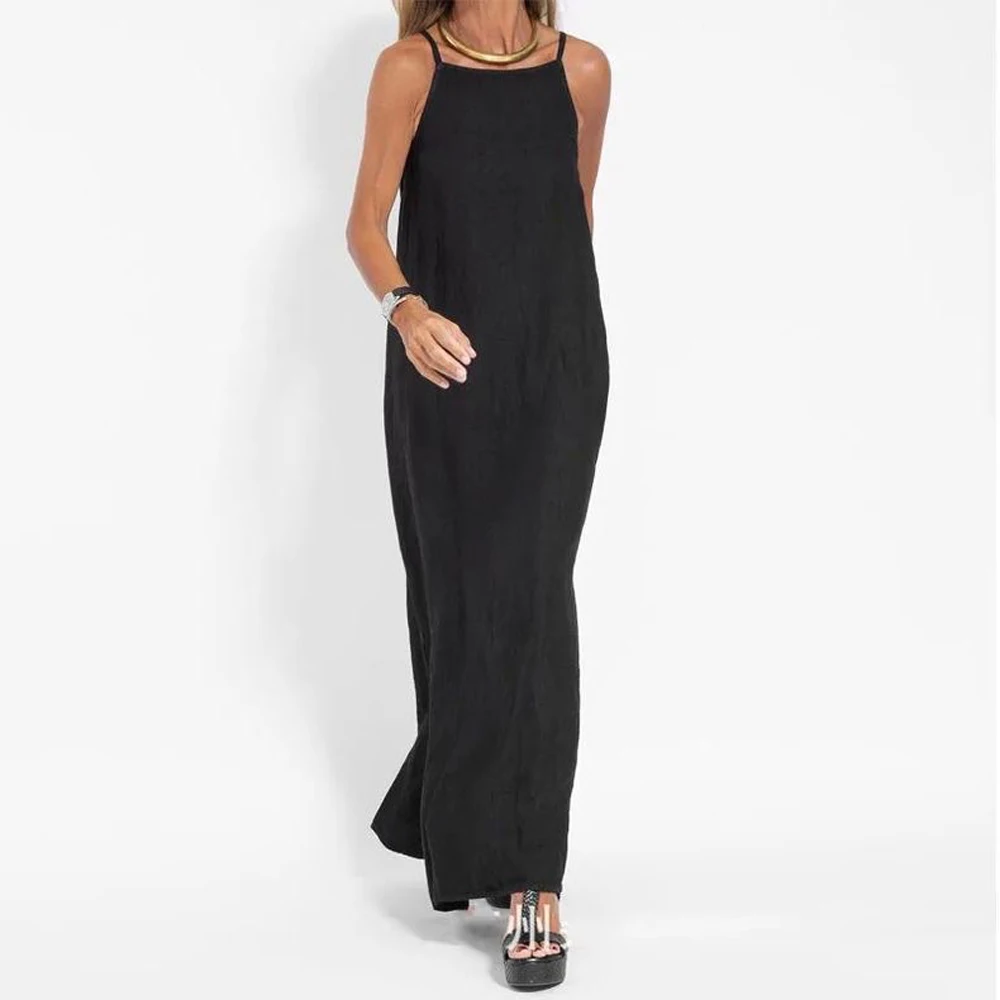
Linen dresses are not limited to one style preference or lifestyle. Their versatility makes them suitable for a wide range of users, especially those who value comfort, natural materials, and effortless fashion.
- Individuals living in hot or humid climates who need breathable clothing
- Minimalist fashion enthusiasts who prefer clean, natural aesthetics
- Eco-conscious consumers focused on sustainable wardrobe choices
- Frequent travelers and vacationers seeking lightweight, easy-to-pack outfits
- Wearers who prioritize natural fibers clothing over synthetic alternatives
Linen dresses are best suited for those who value comfort-driven fashion, seasonal adaptability, and a timeless, relaxed aesthetic that aligns with modern sustainable living.
FAQs About Is Linen Good For Dresses?
Are linen dresses good for summer?
Yes. Linen dresses are one of the best choices for summer because of their natural breathability and cooling properties. The fabric allows air to circulate easily, helping the body stay comfortable in hot and humid weather.
Does linen wrinkle easily?
Yes. Linen naturally wrinkles due to its flax fiber structure. However, these wrinkles are often considered part of its relaxed, effortless aesthetic rather than a flaw, especially in modern casual fashion.
Is linen better than cotton for dresses?
It depends on usage. Linen performs better in hot and humid climates thanks to superior airflow, while cotton is generally softer, more stable in texture, and easier to maintain for everyday casual wear.
Can linen dresses be worn in winter?
Yes, but mainly with layering. Linen dresses can work in cooler seasons when combined with coats, sweaters, or thermal layers, although they are not suitable as standalone pieces in cold winter conditions.
How long do linen dresses last?
With proper care, linen dresses are highly durable and can last for many years. Over time, the fabric becomes even softer and more comfortable, making it a long-term wardrobe investment.
Conclusion
So, after exploring all the pros and cons of linen fabric, the answer becomes clear. Linen is one of the best fabrics for dresses when comfort, breathability, and sustainability matter most. It shines in warm weather, vacation outfits, and casual everyday wear. However, it may not be suitable for those who prioritize wrinkle-free or highly structured clothing. As Évoria reflects, true style is not about perfection—it is about harmony between comfort and identity. Linen embodies that philosophy beautifully. It is not just a fabric; it is a lifestyle choice for those who embrace natural elegance.
So, is linen good for dresses? Yes—when you choose it for the right moment, it becomes one of the most effortless and timeless fabrics you can wear.